The "New Build" Nightmare: Why New Homes Need Filtration Fast
30th Mar 2026
Key Takeaways
- Construction Debris is Real: New pipes often contain "construction grit" like solder and plastic shards that can scour delicate appliance seals.
- Protect High-End Gear: Modern, high-efficiency water heaters and dishwashers are precision machines more sensitive to sediment than older models.
- Stop Chemical Damage: Municipal chlorine immediately begins degrading the rubber gaskets and seals in your brand-new appliances.
- Healthier Skin & Hair: Whole-home systems remove harsh oxidants that strip natural oils, preventing the "new home" dry skin and frizzy hair.
- Rapid ROI: Systems typically pay for themselves in 18–24 months by slashing soap waste and ending the "bottled water tax".
Congratulations. You’ve finally closed, the keys are in your hand, and that "new home smell" is everywhere. You’ve likely double-checked the HVAC, the roof warranty, and the smart thermostat. But there is one invisible system that most new homeowners overlook until the damage is already done: the water running through your brand-new pipes.
There is a common myth in the real estate world that "new" equals "clean." We assume that because the plumbing is plastic or copper and the home is modern, the water is pristine.
But the reality is that your brand-new dishwasher, high-efficiency water heater, and designer matte-black fixtures are under attack from the very first load of laundry. Here is why waiting to install a water filtration system is a mistake that could cost you thousands in your first few years of homeownership.
The "New Pipe" Myth And Why Your Water Isn't as Fresh as Your Paint
Many homeowners believe that water contamination is a problem for old houses with lead pipes. While aging infrastructure is a massive issue—the EPA notes that corroded municipal lines can introduce lead and copper into water long after it leaves a treatment plant—new homes face a different set of challenges.
1. Construction Debris is Real
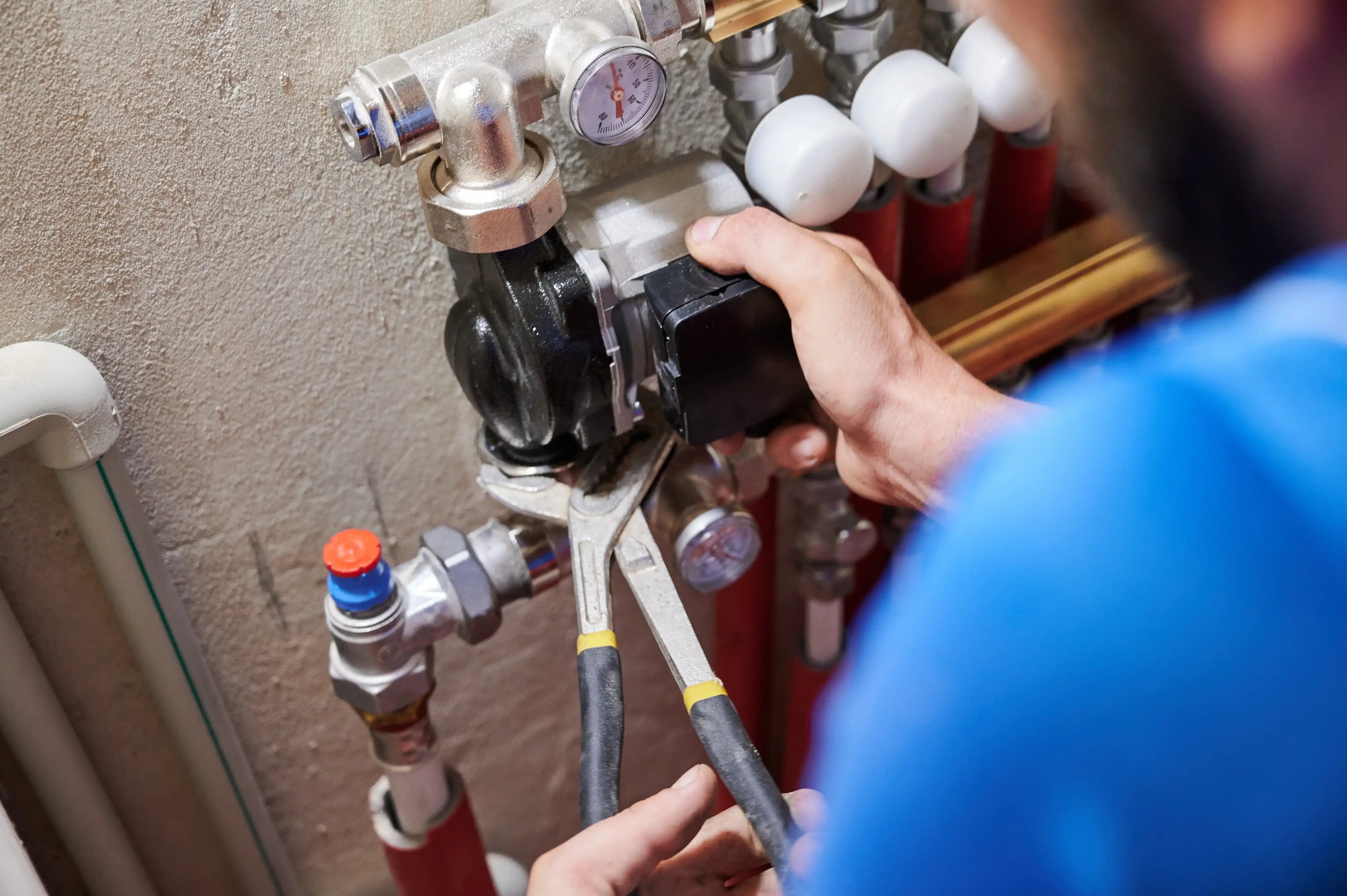
During the building process, dust, solder, flux, and even tiny shards of plastic (PEX) or copper can find their way into your internal plumbing lines. When you turn on your taps for the first time, this "construction grit" moves through your system. Without a sediment filter, these particles act like sandpaper, scouring the delicate internal seals of your brand-new faucets and high-end appliances.
2. The "Forever Chemical" Frontier
Municipal water treatment plants are designed to meet federal safety standards, but those standards often lag behind modern science. Emerging contaminants like PFAS (forever chemicals) and microplastics are now found in the majority of U.S. tap water supplies. These chemicals don't care if your home was built in 1920 or 2024; they enter your home at the main line and stay in your body for years.
3. The Chlorine Paradox
To keep water "safe" from bacteria as it travels to your new neighborhood, cities load it with chlorine or chloramines. While great for killing germs, chlorine is a harsh oxidant. It is notoriously tough on the rubber seals and gaskets inside modern appliances. In a new home, this chemical exposure starts the clock on appliance degradation the moment you move in.
How Your New Home "Appreciates" Better Water
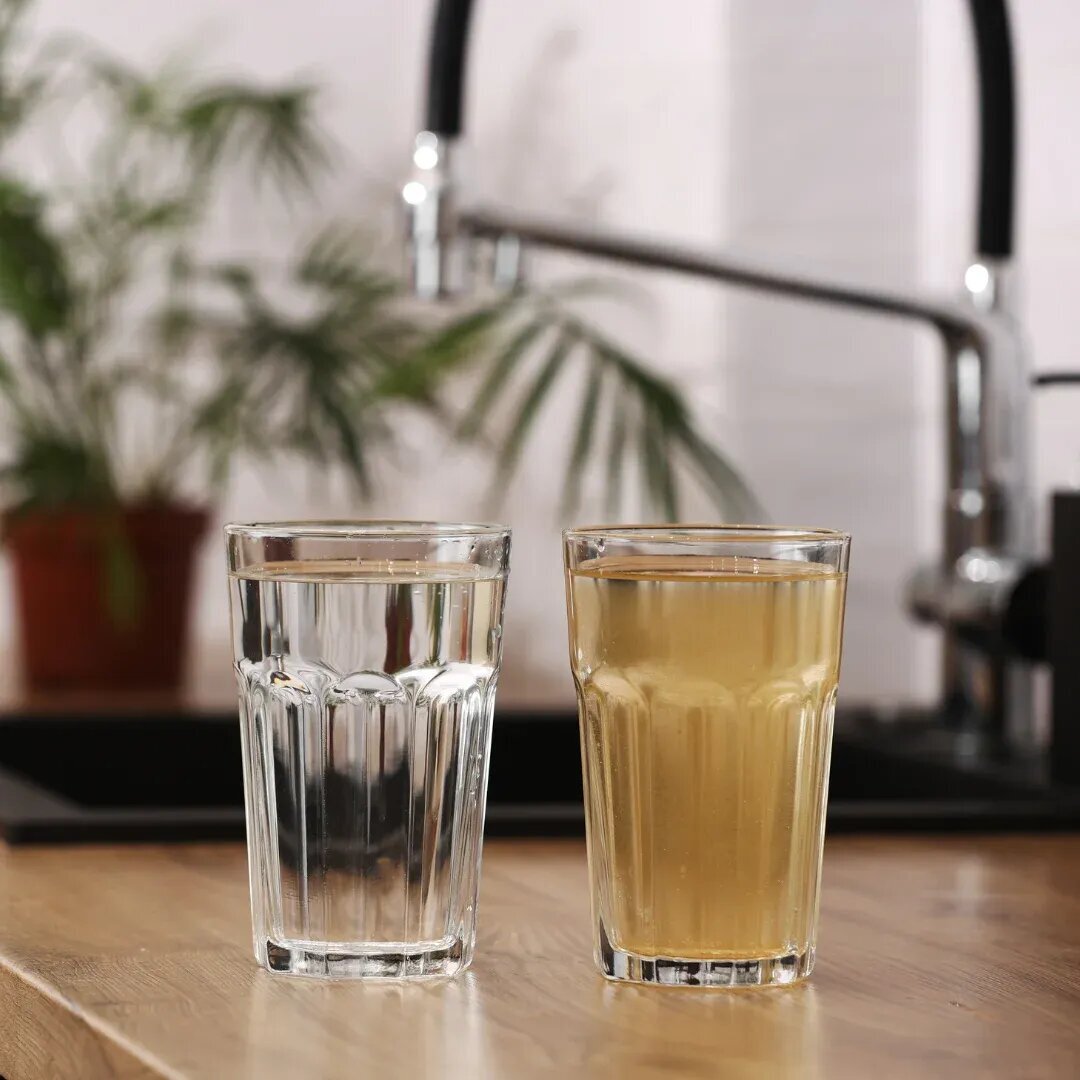
Investing in a whole-home filtration system is perhaps the healthiest choice you can make for you and your home.
Protecting the "Heart" of Your Home
Modern high-efficiency (HE) water heaters and dishwashers are precision machines. They are significantly more sensitive to mineral scale and sediment than the "tank" style appliances of twenty years ago.
- Energy Efficiency: Scale buildup on heating elements can force a water heater to work harder to reach the same temperature.
- Longevity: Hard water and chemicals can slash the lifespan of a water heater by as much as 30–50%. By filtering out the minerals and corrosives, you are effectively buying yourself years of extra appliance life.
The Beauty and Wellness Upgrade
You moved into a new home to feel better, not itchier.
- Skin and Hair: Chlorine strips the natural oils from your scalp and skin. New homeowners often report dry skin or "frizzy" hair in their new location, often blaming the move rather than the water. A whole-home system removes these irritants, making every shower feel like a spa treatment.
- Hydration Habits: When water tastes like a swimming pool, you drink less of it. Filtered water encourages your family to ditch expensive, eco-unfriendly plastic bottles in favor of the tap.
Choosing the Right Defense for Your Floorplan
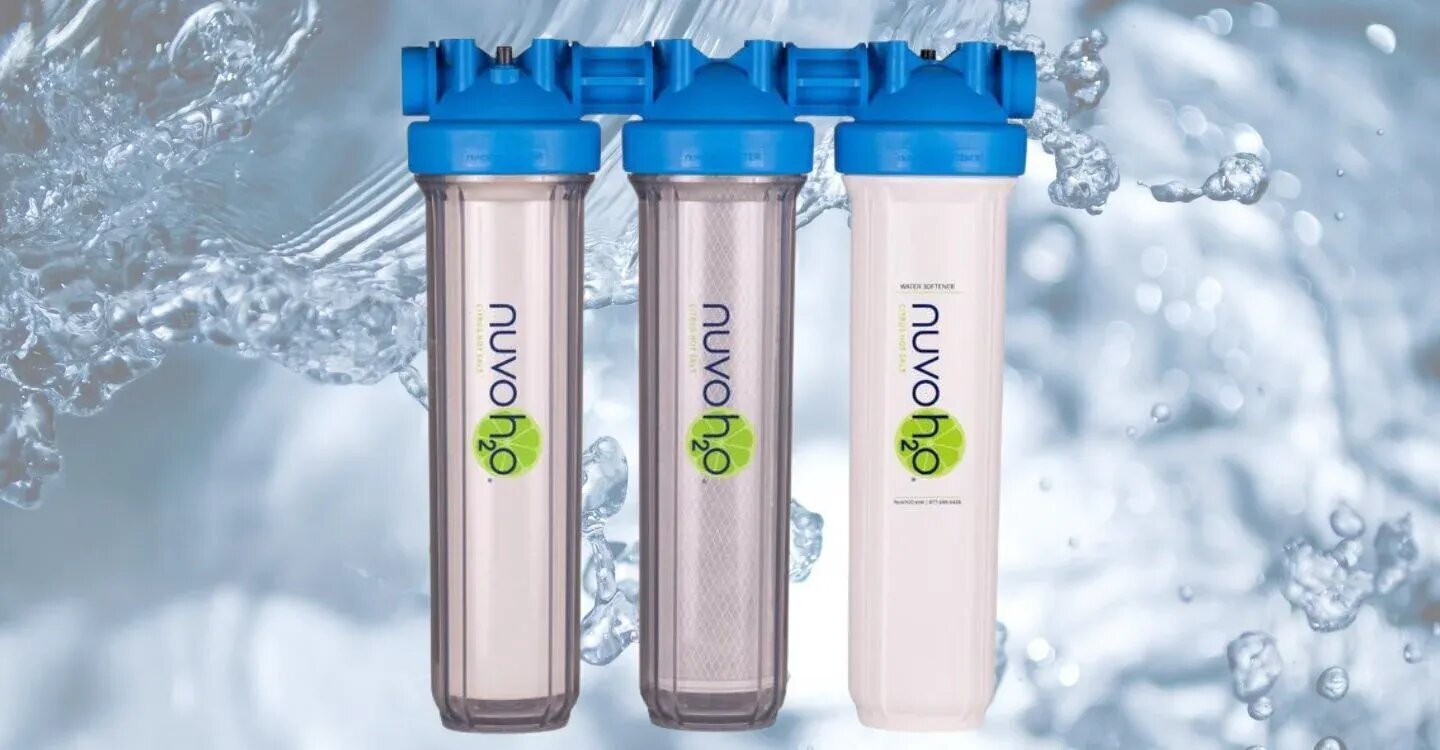
Not every home needs the same "shield." Your water's "personality" depends on your local municipality or well depth.
|
System Type |
Best For |
What it Targets |
|
Activated Carbon |
City Water |
Chlorine, bad odors, VOCs, and "pool" taste. |
|
Reverse Osmosis (RO) |
Drinking/Cooking |
Heavy metals (Lead), PFAS, and nitrates. |
|
Sediment Filters |
New Construction |
Rust, sand, and construction debris. |
|
UV Purifiers |
Well Water |
Bacteria, viruses, and microorganisms. |
Prevention vs. Repair
In the first year of owning a home, the "hidden" costs (landscaping, window treatments, tool sets) add up fast. It is tempting to put off water filtration as a "later" project.
However, water filtration is one of the few home upgrades that actually saves you money immediately. Between using less soap and detergent, extending the life of your appliances, and eliminating the "bottled water tax," most systems pay for themselves within 18 to 24 months.
Don't wait for the first orange stain in your new tub or the first repair call for your dishwasher. You can protect your investment from day one, and a water quality test is the best way to start.