The Silent HVAC Killer: How Hard Water Destroys Humidifiers and AC Systems
24th Apr 2026
When homeowners think about "home maintenance," they usually picture roof shingles, overgrown gutters, or aging water heaters. But there is a silent, microscopic threat flowing through your walls that costs American homeowners thousands of dollars in premature replacements every year: Hard Water.
While a crusty showerhead is an annoyance, hard water minerals in your HVAC and humidification systems are a financial catastrophe waiting to happen. If you have "moderate" to "very hard" water, your most expensive appliances are likely suffocating under a layer of rock-thick scale.
The Humidifier Headache: "White Dust" and Clogged Coils
If you use a whole-home humidifier to combat dry winter air, you might have noticed a fine, flour-like white dust settling on your furniture.
That isn't dust, but rather pulverized calcium and magnesium. When hard water is misted into the air, the water evaporates, but the minerals do not. They float through your home, settling into your lungs and, more importantly, into the sensitive electronics of your home.
Inside the unit, the damage is even worse:
- Solenoid Failure: Hard water scale builds up inside the small valves (solenoids) that control water flow. Once they seize, the humidifier either stops working or, worse, leaks constantly into your furnace.
- Evaporator Pad Calcification: The "honeycomb" pads designed to hold water become encased in rock. This blocks airflow, forcing your blower motor to work harder and eventually burn out.
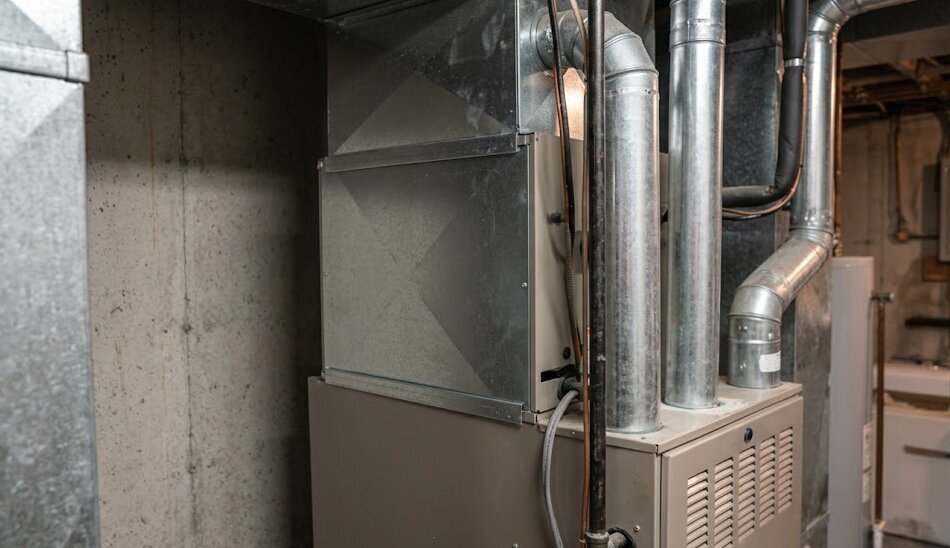
Your AC’s Hidden Enemy: Scale on the Coils
It’s a common misconception that hard water only affects plumbing. In reality, your air conditioning system, specifically the evaporator coils and condensate lines, is highly at risk.
As your AC pulls moisture from the air, it creates condensation. If that moisture mixes with mineral-heavy water from a humidifier or backup line, scale begins to form on the cooling coils.
- Reduced Heat Exchange: Scale acts as an insulator. Even a thin layer of calcium makes it harder for the coils to absorb heat, meaning your AC has to run longer to reach the same temperature.
- Drain Line Clogs: The "sludge" created by minerals and dust often clogs the primary condensate drain. When this happens, water backs up, leading to rusted drain pans, mold growth, or catastrophic water damage to your ceiling.
Pinhole Leaks and the Chemistry of Pipe Corrosion
There is a common myth that scale "protects" pipes by coating them. In reality, the opposite is true. Hard water minerals can lead to a specific type of damage called under-deposit corrosion.
When scale settles unevenly on the inside of copper or galvanized steel pipes, it creates small pockets where water becomes trapped against the metal. This trapped water can become highly concentrated with corrosive agents, leading to "pitting."
- The Result: You don’t get a massive burst pipe; you get a tiny, microscopic pinhole leak behind a wall.
- The Cost: By the time you notice a damp spot on your drywall, the slow drip has often caused thousands of dollars in mold remediation and structural wood rot. Treating your water hardness isn't just about flow; it's about maintaining the structural integrity of your home's "circulatory system."
The Impact on Modern High-Efficiency Appliances
If you have recently upgraded to a high-efficiency (HE) washing machine or a "Smart" dishwasher, your home is actually more vulnerable to hard water than it was twenty years ago.
Modern appliances are designed with tighter tolerances and smaller internal valves to save water.
- Sensor Interference: Many HE appliances use internal sensors to check water clarity and temperature. Mineral film can "blind" these sensors, causing the machine to run unnecessary rinse cycles or fail to reach the proper sanitizing temperature.
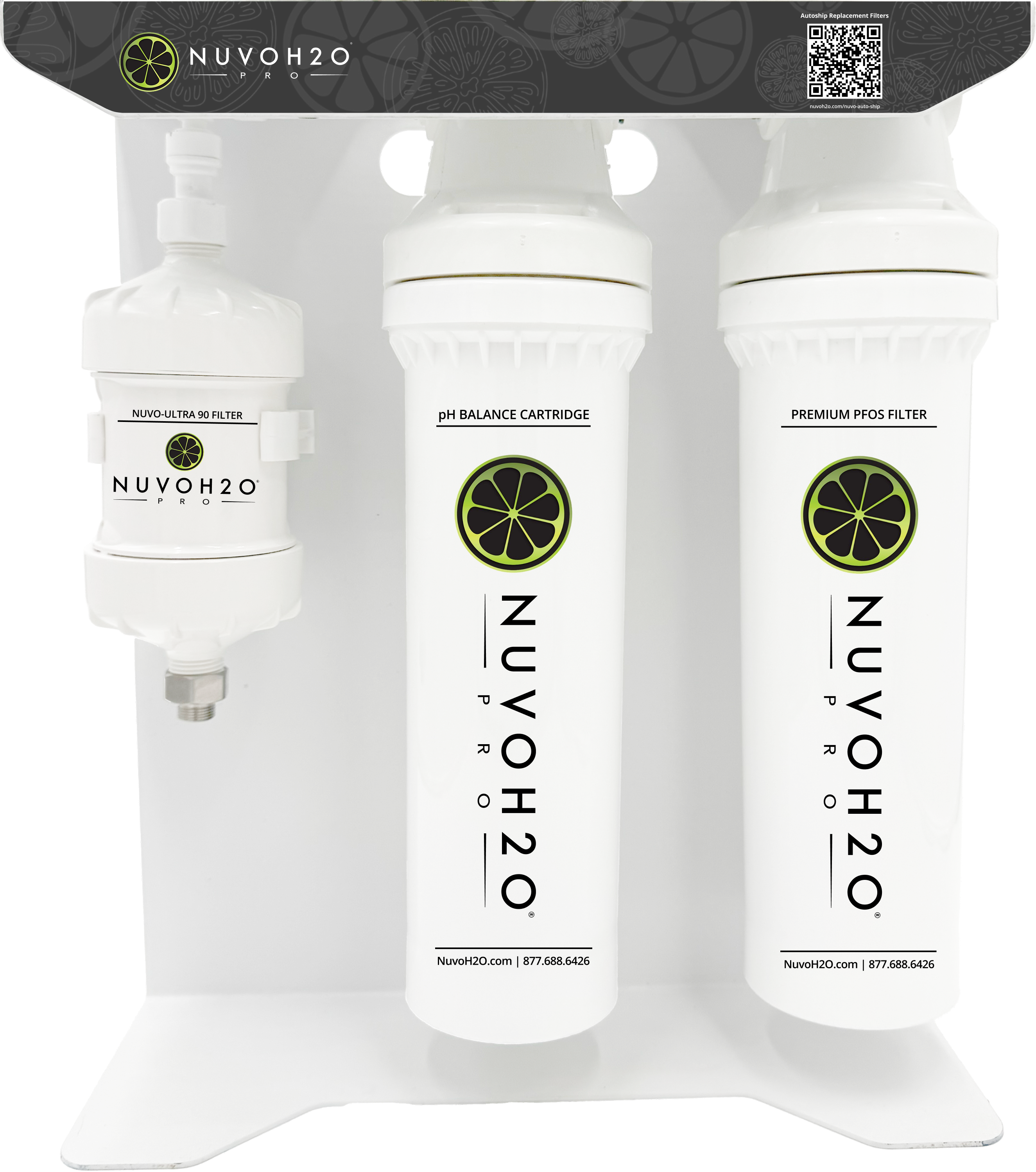
- Abrasive Wear: Protecting these sensitive parts requires specific filtration. The Nuvoluxe Pro Advanced Water Purification and Fortification System installs under your kitchen sink to clean water before it enters your dishwasher. This prevents mineral buildup so your high efficiency machines run smoothly without the damage caused by hard water.
The "Energy Tax": How Scale Inflates Your Utility Bills
Most homeowners don't realize that hard water acts as an invisible thermal insulator. When calcium and magnesium deposit onto the heating elements of your water heater or the heat exchanger of your furnace’s humidifier, they create a barrier between the heat source and the water.
- Thermal Resistance: Minerals like calcium carbonate are incredibly poor conductors of heat. According to data from the U.S. Bureau of Standards, even a quarter inch layer of scale can force your system to use up to 40% more energy to reach the same temperature.
- The "Burnout" Cycle: Because the heating element has to stay "on" longer to penetrate the mineral crust, the internal temperature of the element itself skyrockets. This leads to "thermal stress," which causes the metal to become brittle and eventually snap, leading to a total system shutdown in the middle of winter.
The Financial Math: Why "Softening" is an Investment
Ignoring hard water is an expensive choice. According to HVAC and plumbing experts, untreated hard water can shorten the lifespan of water-using appliances by 30% to 50%.
|
Component |
Life Expectancy (Soft Water) |
Life Expectancy (Hard Water) |
Replacement Cost |
|
Water Heater |
12–15 Years |
6–8 Years |
$1,200 - $2,500 |
|
Whole-Home Humidifier |
10+ Years |
3–5 Years |
$600 - $1,000 |
|
AC Evaporator Coil |
15 Years |
7–10 Years |
$1,500 - $3,000 |
The NuvoH2O Advantage: Protection Without the Salt
Traditional salt-based softeners protect against scale, but they introduce sodium into the water, which can be corrosive to certain high-end HVAC components over time.
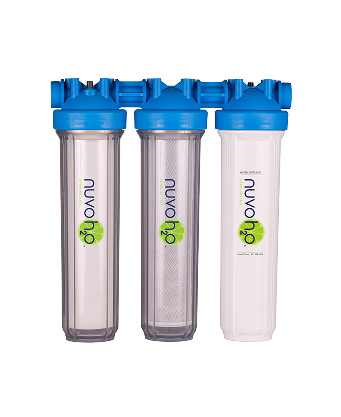
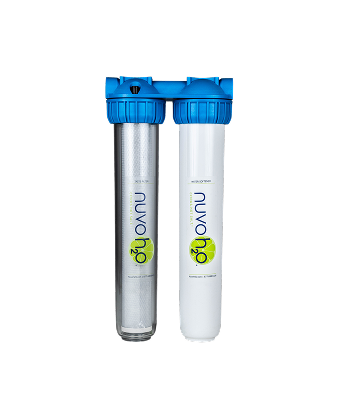
NuvoH2O systems utilize proprietary CitraCharge® technology. Instead of swapping minerals for salt, the citrus-based formula "sequesters" the minerals. It changes their molecular shape, so they stay dissolved in the water rather than sticking to your humidifier pads or AC coils.
- Zero Water Waste: No backflushing means your utility bill stays low.
- Compact Design: Fits in mechanical rooms where bulky salt tanks won't.
- Eco-Friendly: Safe for your lawn, your pipes, and your family.
Protect Your Home Today
Don't wait for your AC to fail in the middle of a heatwave or for "white dust" to coat your living room. Protecting your home starts at the main water line.
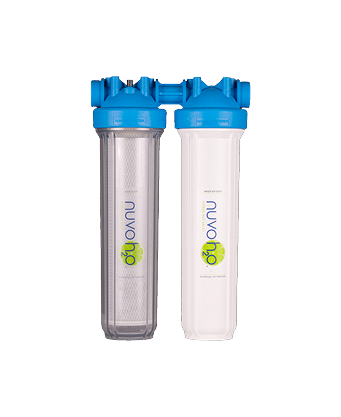
Would you like to see which system is rated for your home's square footage? Shop the Manor Duo System, our most popular solution for total scale prevention and high-efficiency filtration.