How to Fix Low Shower Pressure and White Buildup
15th Apr 2026
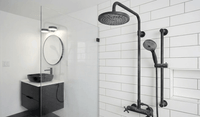
You step into the shower expecting a high-pressure wake-up call, but instead, you’re greeted by a pathetic, redirected drizzle. You look up and see it: that stubborn, chalky white crust clogging the nozzles of your showerhead.
If your fixtures look like they’re growing prehistoric stalactites, you aren’t alone. Roughly 85% of homes in the United States deal with hard water. While it might seem like a minor cleaning annoyance, that "crust" is actually a warning sign that your home’s entire plumbing system is under attack.
The Science of the "Crust": What is Limescale?
That white buildup is known as limescale. It’s a collection of mineral deposits (primarily calcium and magnesium) left behind as water evaporates.
Think of water as a universal solvent. As it travels through the ground, it "grabs" minerals from limestone and soil. When this "hard" water enters your home and flows through small openings (like showerhead nozzles), these minerals hitch a ride. Over time, they layer on top of each other until they physically block the flow of water.
Common signs you have a hard water problem:
1. Low Water Pressure
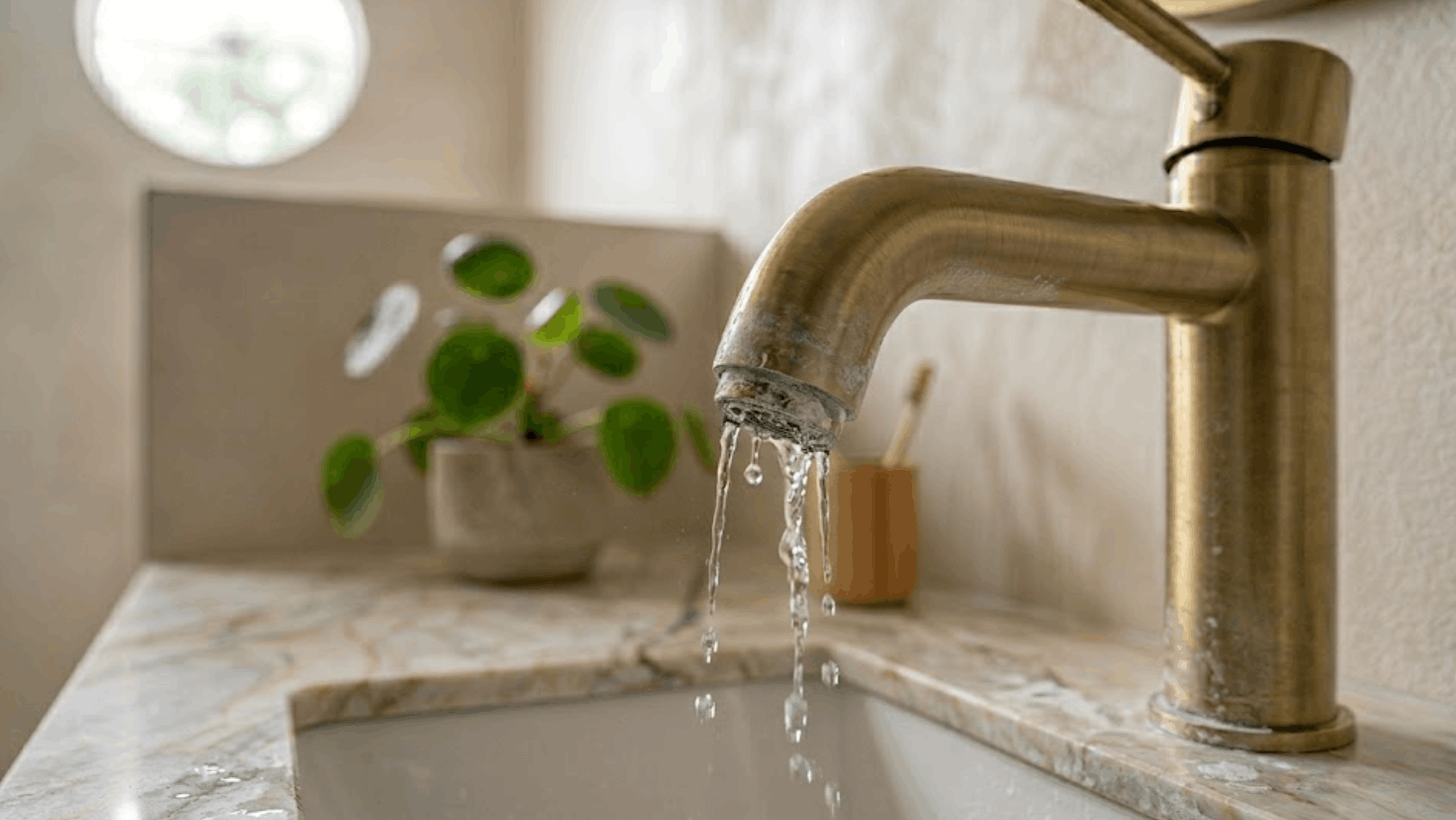
When minerals like calcium and magnesium travel through your pipes, they don't just stay in the water; they settle. Over the years, this creates a layer of rock-hard scale inside your plumbing.
Think of it like plaque in an artery. As the "lumen" (the opening) of your pipe gets smaller, your water pressure drops. Your water heater has to work twice as hard to push water through those narrowed pipes, which can spike your energy bills and lead to premature appliance failure.
2. Erratic Spray
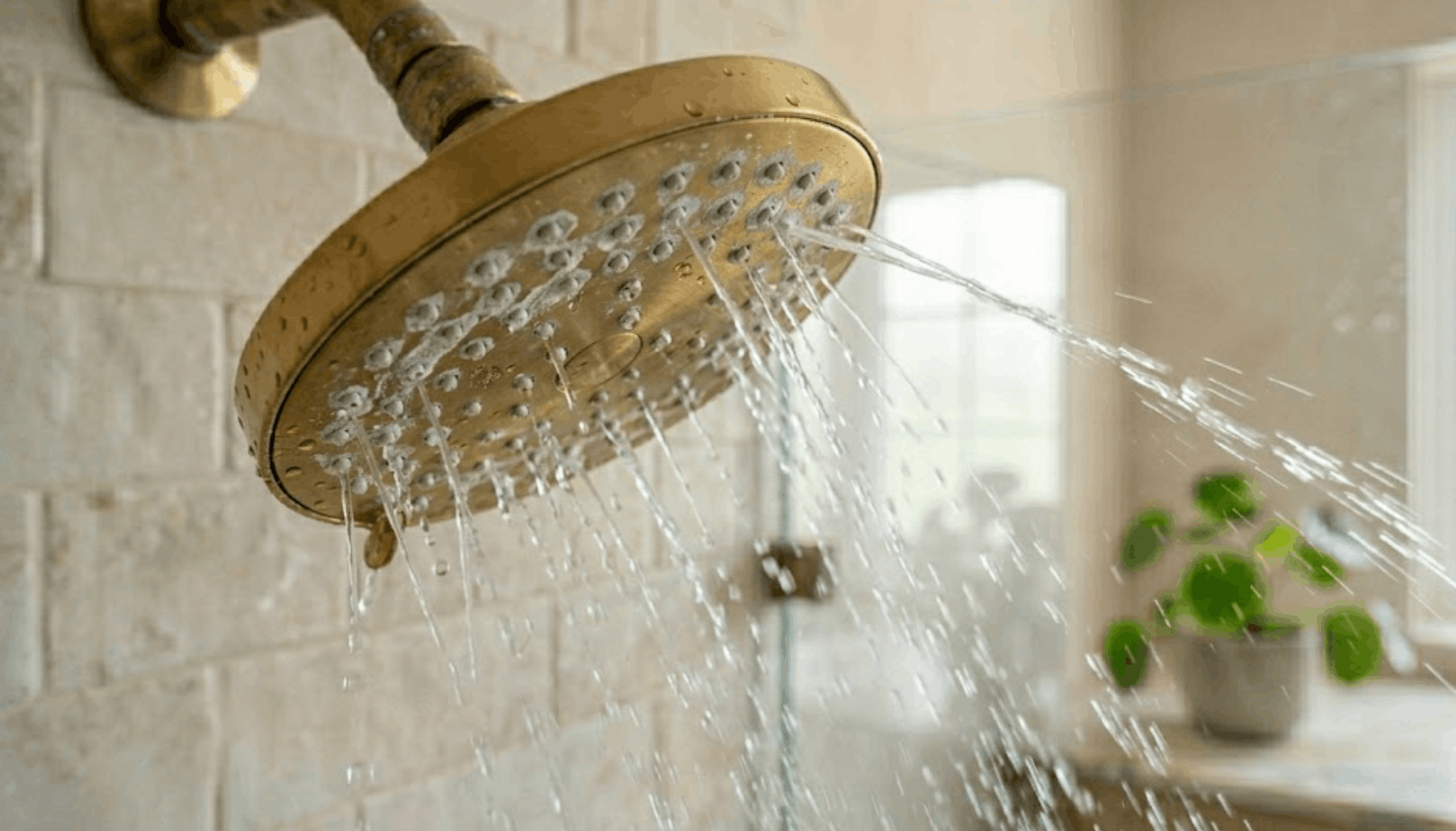
Have you ever cleaned your showerhead, only for a different nozzle to start spraying sideways two days later? This is a classic sign of active scaling.
Tiny "pebbles" of calcium break off from the internal plumbing and get lodged in the rubber or metal apertures of your showerhead. If your showerhead is "spitting" water in different directions, it means the scale buildup inside your pipes is reaching a breaking point where it is physically disintegrating and traveling into your fixtures.
3. Stiff Laundry
If your towels feel like sandpaper and your gym clothes never quite feel "clean," your water is likely the culprit.
Hard water minerals react with laundry detergent to form curd (soap scum). Instead of rinsing away, this curd gets trapped in the weave of the fabric. This buildup acts like a magnet for dirt and body oils, causing colors to fade faster and fabrics to lose their softness. It can even irritate sensitive skin because the soap is never truly rinsed out.
4. Dry Skin & Dull Hair
The most personal sign of hard water is how it leaves you feeling after a "relaxing" shower.
Hard minerals neutralize the natural oils (sebum) your body produces to stay hydrated. Furthermore, minerals prevent soap from lathering properly. You end up using more soap to get bubbles, but that soap then sticks to the mineral film on your skin.
This leaves your hair feeling "straw-like" and your skin feeling itchy or "squeaky" (which is actually a sign of friction, not cleanliness). For those with eczema or psoriasis, hard water can significantly flare up irritation.
The "Quick Fix" vs. The Real Solution
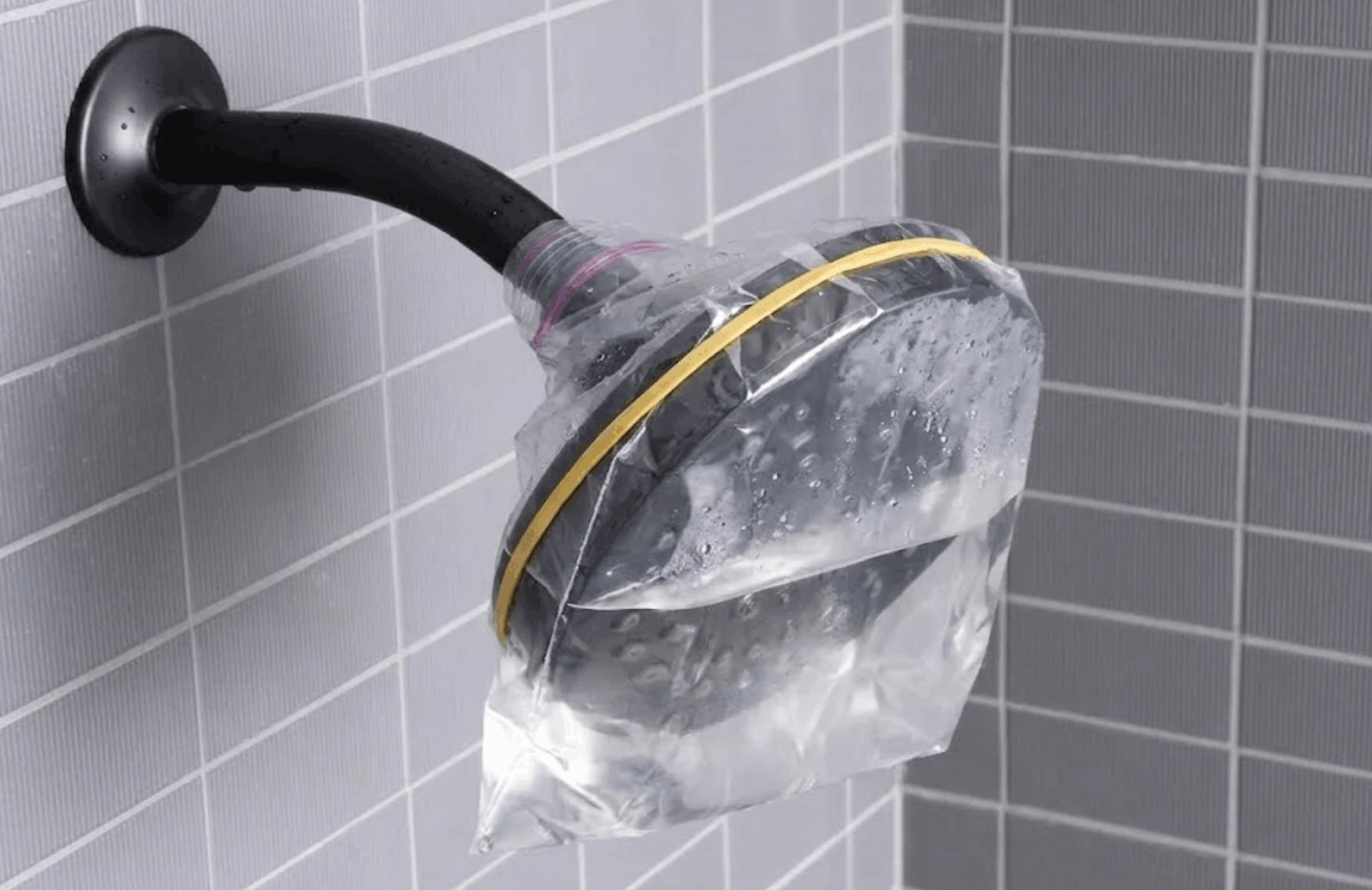
When the pressure drops, most people reach for a bottle of vinegar or a harsh chemical descaler. While soaking a showerhead in vinegar can dissolve the immediate blockage, it’s a temporary band-aid.
Some homeowners turn to softening showerheads. These are small, point-of-use filters that attach directly to the arm of the shower. While they can help reduce chlorine and some sediment, they have limitations:
- Limited Capacity: They require frequent cartridge changes (usually every 6 months).
- Isolated Protection: They protect your hair, but they do nothing for the pipes behind the wall, your water heater, or your dishwasher.
- Pressure Issues: If not sized correctly, these attachments can actually reduce your flow further.
If you’re seeing buildup on your showerhead, the same thing is happening inside your water heater and your dishwasher's heating elements. To truly fix the problem, you have to look at the source.
Whole-Home Protection: A Smarter Way to Soften
Traditionally, "fixing" hard water meant installing a bulky salt-based softener. These systems use ion exchange to swap calcium for sodium. While effective, they often leave water feeling "slimy," require hauling heavy bags of salt, and waste hundreds of gallons of water through "backflushing."
Fortunately, modern technology has evolved. Systems like those from NuvoH2O offer a more sustainable, "human-friendly" approach to water treatment.
Why a Salt-Free System Changes the Game:
- CitraCharge® Technology: Instead of swapping minerals for salt, these systems use a citrus-based formula to "bind" the minerals so they can’t stick to your pipes or fixtures.
- Eco-Friendly: Unlike salt systems, there is zero water waste because the system doesn't need to backflush.
- Removes Existing Scale: This is the big one. While most softeners just prevent new buildup, a high-quality salt-free system can actually help dissolve the scale already clogging your pipes.
- Better for Your Skin: You get the benefits of soft water—vibrant hair and hydrated skin—without the slippery, "can't-get-the-soap-off" feeling of salt-treated water.
Which System Fits Your Life?
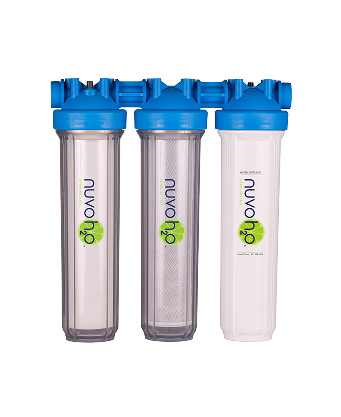
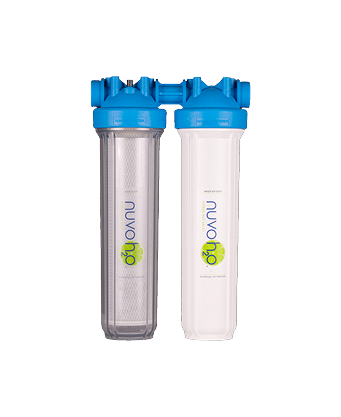
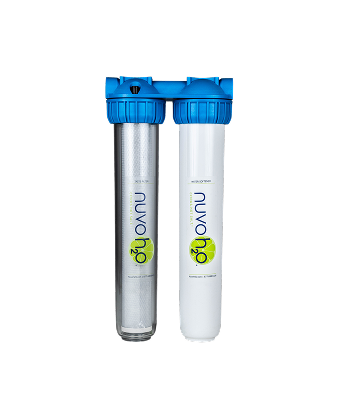
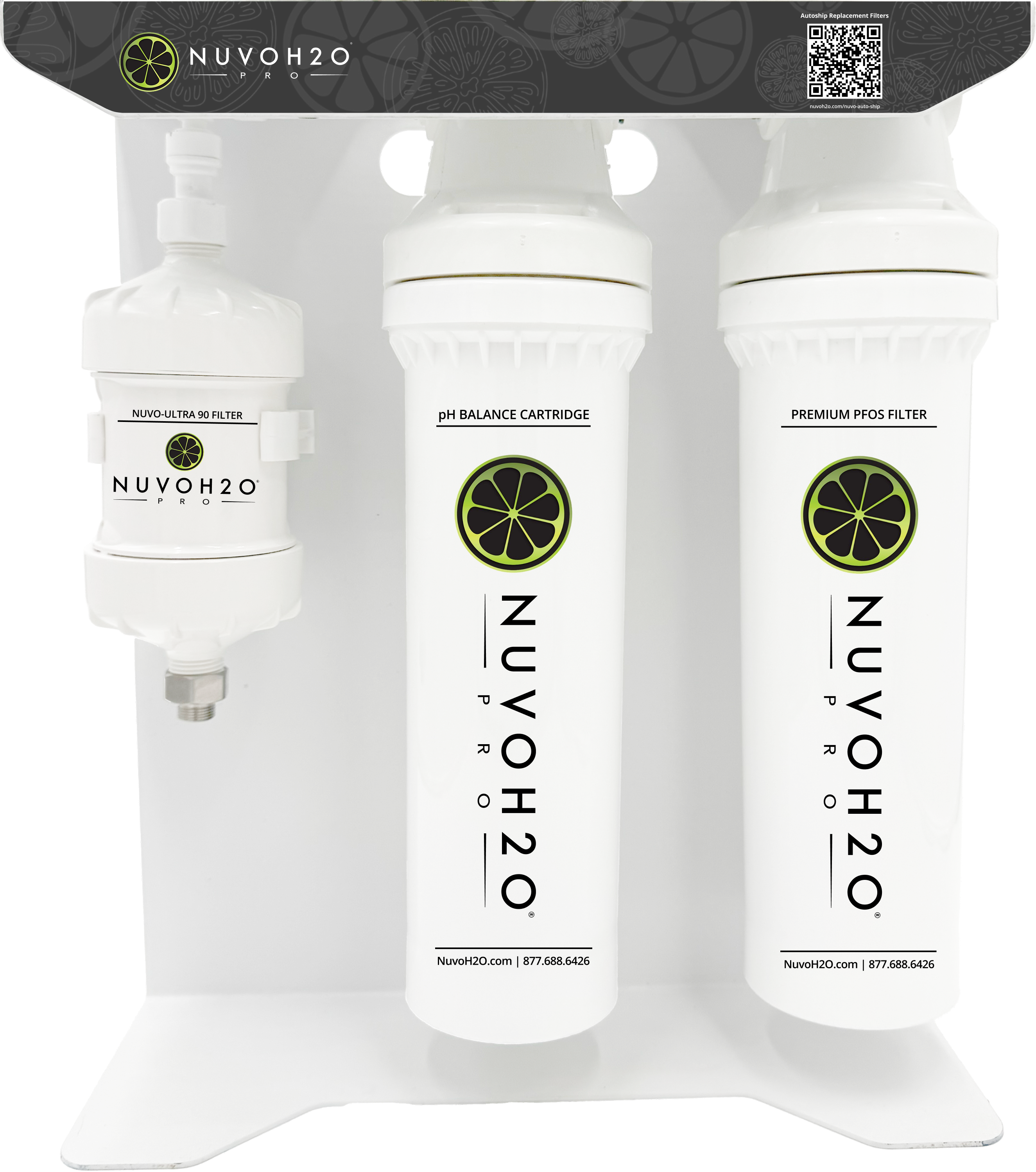
Choosing a solution depends on your home’s footprint. For smaller condos or townhomes (under 1,500 sq. ft.), a compact Home Softener is often plenty. For larger family homes, systems like the Manor Duo combine softening with multi-stage filtration to remove chemicals like chlorine alongside the minerals. If you want premium drinking water directly at your kitchen tap, you can pair your main unit with an under the sink solution like the Nuvoluxe Pro Advanced Water Purification Fortification System.
Stop Scrubbing, Start Solving
Low shower pressure isn't just a nuisance; it’s your home telling you that your infrastructure is working too hard. By treating the water at the entry point of your home, you protect your skin, your appliances, and your sanity.
Ready to see exactly what’s in your water? Take the NuvoH2O Home System Quiz to find the perfect fit for your household and stop the "crust" for good.