The "Invisible Cloud": The Dangers of Inhaling Chlorine in the Shower
3rd Mar 2026
Key Takeaways
- Hot water turns liquid chlorine into chlorine gas, which is easily inhaled and enters the bloodstream faster than swallowed water.
- Your skin is your largest organ; according to NCBI research, dermal absorption can account for a significant portion of your total daily chemical exposure.
- Chlorine strips natural oils, leading to chronic dry skin, "swimmer's hair," and premature aging.
- Inhaling chlorine gas can cause or worsen asthma, sinus irritation, and throat discomfort.
- A simple drinking water pitcher cannot protect you in the shower; only a whole-house carbon filter treats the water at every source.
Most of us view our morning shower as a sanctuary: a place to wake up, wash away the stress of the day, and feel refreshed. But as the bathroom fogs up and the air grows heavy with steam, you aren't just surrounded by water vapor. You are standing inside a chemical "invisible cloud."
While we often worry about the quality of the water we drink, we rarely consider the water we breathe. Emerging research suggests that inhalant chlorine shower health risks may actually be more significant than the risks of drinking chlorinated tap water. When you step into a hot shower, your body becomes a sponge for disinfection chemicals through two overlooked pathways: your lungs and your skin.
The Science of the "Invisible Cloud"
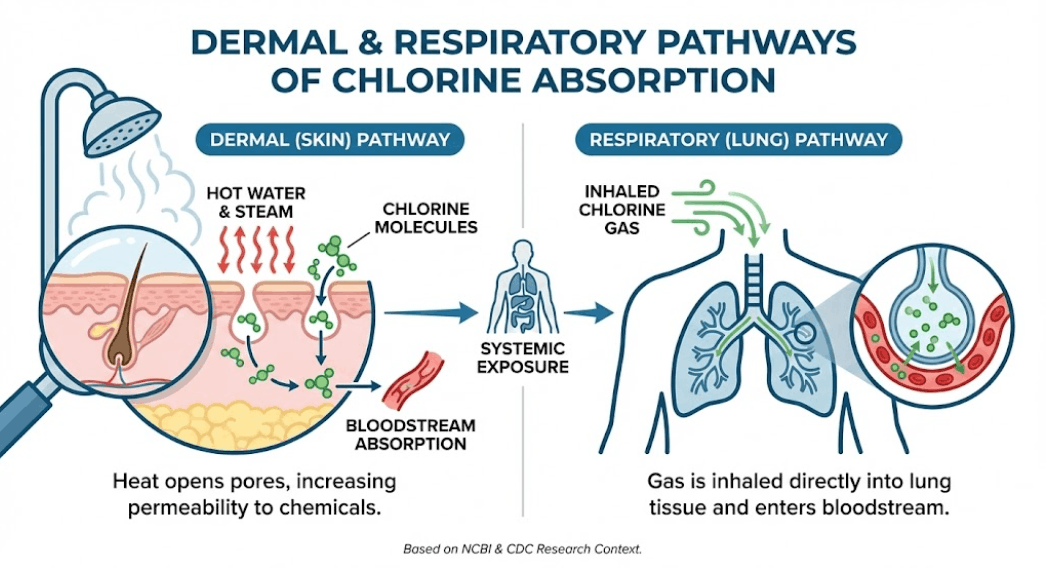
When municipal water is treated, chlorine is added to kill pathogens. However, chlorine is a "volatile" chemical. This means it has a low boiling point. When it hits the showerhead and mixes with hot water, it transitions from a liquid state into chlorine gas in hot showers.
As you breathe in the steam, you are bypassing the digestive system’s natural filtration (the liver and kidneys) and sending those chemicals directly into your delicate lung tissue and bloodstream. The ATSDR reports that even low levels of chlorine gas can result in nose, throat, and eye irritation. In a confined shower stall, these levels can concentrate quickly, creating a miniature chemical chamber.
Respiratory Irritation from Tap Water
Have you ever stepped out of the shower and felt a slight "tightness" in your chest or a nagging cough? This is often dismissed as "dry air," but it is frequently a sign of respiratory irritation from tap water.
Chlorine gas is a known pulmonary irritant. For individuals with pre-existing conditions like asthma or seasonal allergies, this daily exposure can trigger inflammation. Because children have smaller lungs and faster breathing rates, the CDC notes they may be even more sensitive to these inhalant triggers than adults.
Absorption of Chlorine Through Skin: The Beauty Connection
We spend hundreds of dollars on moisturizing lotions and expensive conditioners, yet we "wash" our hair and skin in a chemical that is literally designed to strip organic matter.
The absorption of chlorine through skin is a documented phenomenon. In a ten-minute shower, your pores open up due to the heat, allowing the water and its chemical load to penetrate deep into the dermis. This leads to several common "status quo" issues people assume are just part of aging:
- Chronic Dry Skin: Chlorine strips the sebum (natural oil) that protects your skin barrier.
- Brittle, Dull Hair: Chlorine oxidizes hair protein, making it porous and prone to breakage.
- Eczema Flare-ups: For those with sensitive skin, chlorinated water acts as a constant inflammatory trigger.
Why Your Shower Needs a Filter
Many health-conscious homeowners believe they are "safe" because they use a filtered pitcher in the kitchen. While this is a great start for drinking, it ignores the fact that you likely absorb more chlorine in one 10-minute shower than you do by drinking eight glasses of the same tap water.
A kitchen filter is a localized solution for a systemic problem. If you are only filtering your drinking water, you are still bathing, brushing your teeth, and washing your clothes in the same chemicals used to sanitize swimming pools.
The Solution: Whole House Carbon Filters
To truly eliminate the "invisible cloud," you have to stop the chlorine before it ever reaches your showerhead. This is where a whole-house carbon filter for dry skin and respiratory health becomes essential.
The NuvoH2O Difference
Rather than sticking a small, ineffective filter on your shower arm (which often reduces water pressure and lacks the surface area to truly clean the water), a whole-home system treats the water at the main line.
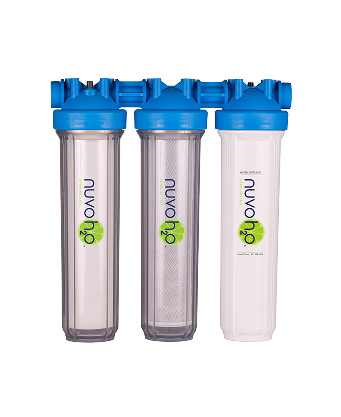
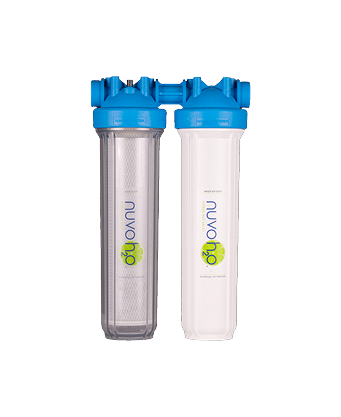
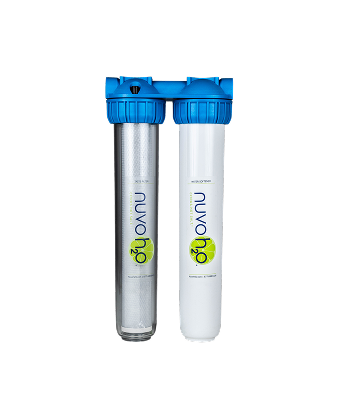
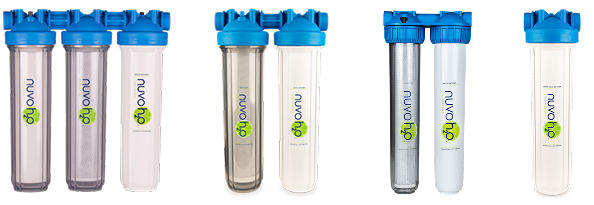
- The Manor Duo System: This professional-grade solution uses high-capacity carbon to strip away chlorine and chloramines before they can turn into gas.
- Addressing Complex Contaminants: If your water also has a metallic taste or leaves orange stains, you may be dealing with chloramine and iron.
- Sediment Protection: For water that feels "gritty," the Manor Trio adds an extra layer of filtration to handle chloramine and sediment simultaneously.
Reclaim Your Sanctuary
The "clean" smell in your bathroom shouldn’t remind you of a public swimming pool. If your morning routine leaves you with a tight chest, itchy skin, or dull hair, you may be breathing in your tap water, and stopping chlorine at the kitchen tap only solves half the problem. To truly protect your family, you have to address the "invisible cloud" that fills your lungs and coats your skin every single morning.
Upgrading to a whole-house carbon filter does more than improve the taste of your water; it fundamentally clears the air in your home. So, don't let your daily ritual be a hidden source of chemical exposure. It’s time to reclaim your shower as a place of genuine health and hydration.