The Truth About Bottled Water Quality: Is it Better Than Filtered Soft Water?
14th Jan 2026
If you’re dealing with rust stains in the toilet, orange streaks in the bathtub, or a metallic taste in your water, chances are you’ve tried the quickest fix first: bottled water. It feels safer. It tastes better (sometimes). And it avoids whatever’s coming out of your tap.
But bottled water doesn’t solve the real problem, especially if you’re facing a well water iron problem or hard water with high iron content. It just helps you sidestep it for drinking, while the rest of your home continues to suffer.
The real question isn’t whether bottled water tastes better than tap water. It’s whether it actually addresses iron in water removal, protects your plumbing, and stops the daily frustration caused by iron buildup.
Let’s break down what’s really happening and what actually works.
What Causes Rust-colored Water Stains?
Rust-colored stains don’t come from dirt or old pipes alone. They’re one of the clearest signs of iron in your water supply.
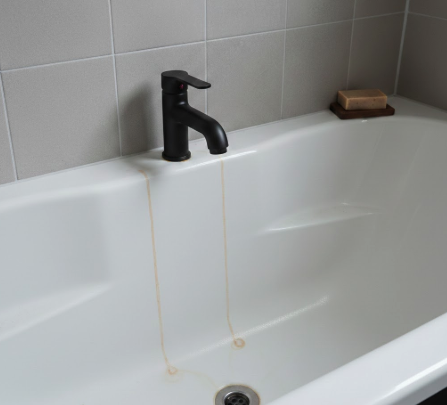
When water contains dissolved iron, it oxidizes when exposed to air. That oxidation turns clear water into reddish-brown stains on toilets, sinks, bathtubs, and even laundry. Over time, this leads to:
- Red brown stains in bathtubs and showers
- Rust stains in toilets that return days after cleaning
- Orange residue in washing machines
- Discolored whites and stiff fabrics
If your home relies on well water, iron is especially common. Groundwater naturally picks up iron as it moves through soil and rock, which is why iron water treatment is one of the most common needs for well owners.
What Kind of Filter Removes Iron From Water?
Not all filters remove iron, and this is where many homeowners get stuck.
A standard carbon filter improves taste and odor, but it won’t touch iron. To truly solve iron problems, you need a dedicated iron water filter designed for the type of iron in your water.
Effective iron removal systems may include:
- Oxidation filters (for higher iron levels)
- Air injection systems
- Catalytic media filters
- Specialized iron treatment systems for iron bacteria
The key is proper diagnosis. An iron filter works best when it’s matched to your specific water chemistry, especially if you’re dealing with iron bacteria in well water, which can create slime, odors, and recurring buildup.
Will a Water Softener Remove Iron From Water?
This is one of the most misunderstood questions in water treatment. No, traditional water softeners are not designed to remove iron.
A softener’s job is to reduce hardness minerals like calcium and magnesium. While some softeners can handle trace amounts of dissolved iron, they are not a true solution for iron problems. In fact, relying on a softener alone often leads to:
- Resin fouling and system failure
- Continued staining and metallic taste
- Ongoing soap scum skin irritation
- Premature breakdown of equipment
This is why homeowners often search “why water softener doesn’t remove iron” after installing one and still seeing stains.
The correct approach is iron filtration first, followed by scale prevention or softening as needed. Each system does a different job, and both matter.
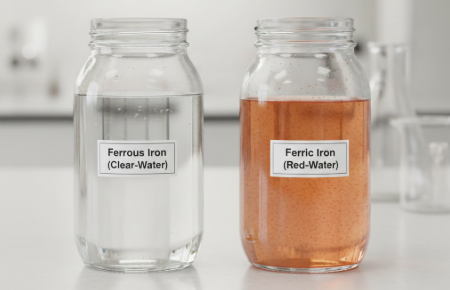
What is the Difference Between Ferrous and Ferric Iron?
Understanding iron starts with knowing what form it’s in.
Ferrous iron (clear-water iron)
- Dissolved and invisible when it comes out of the tap
- Turns rusty after exposure to air
- Causes a metallic taste and staining over time
Ferric iron (red-water iron)
- Already oxidized
- Visible as reddish or brown particles
- Quickly stains fixtures and laundry
Many homes have both, which is why iron treatment often requires more than a single filter type. Testing your water is the only way to know what you’re dealing with—and which solution will actually work.
Is it Safe to Drink Water With High Iron Content?
Iron isn’t considered a toxic contaminant, but that doesn’t mean high iron water is harmless or pleasant.
Water with elevated iron levels can cause:
- Metallic taste in water
- Stomach upset in some people
- Iron buildup in appliances and pipes
- Bacterial growth when iron bacteria are present
For households with children, elderly residents, or compromised immune systems, untreated iron water is especially concerning. While bottled water avoids ingestion, it does nothing for bathing, cooking, or appliance use.

How Much Iron in Water is Too Much?
The EPA recommends iron levels below 0.3 mg/L for aesthetic reasons. Above that threshold, problems become noticeable fast.
At higher levels, you may experience:
- Constant staining despite cleaning
- Clogged plumbing fixtures
- Rotten or sulfur-like odors (often searched as “rotten egg smell in water iron”, though sulfur is usually the cause)
- Slime buildup from iron bacteria
Once iron reaches these levels, bottled water becomes a band-aid, not a solution.
Why Bottled Water Doesn’t Solve Iron Problems
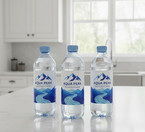
Bottled water may taste better, but it only replaces the water you drink. Meanwhile:
- You’re still bathing in iron-laden water
- Appliances continue to accumulate iron scale
- Laundry absorbs iron residue
- Pipes and fixtures degrade from the inside
It’s also expensive, inconvenient, and environmentally wasteful, especially when the root issue is untreated water entering your home.
Filtered water at the source, combined with proper iron water treatment, gives you consistent results everywhere, not just at the kitchen sink.
The Smarter Approach: Treat Iron and Prevent Scale
For homes with hard water and high iron content, the most effective solution isn’t choosing between bottled water and filtered water; it’s using the right combination of systems.
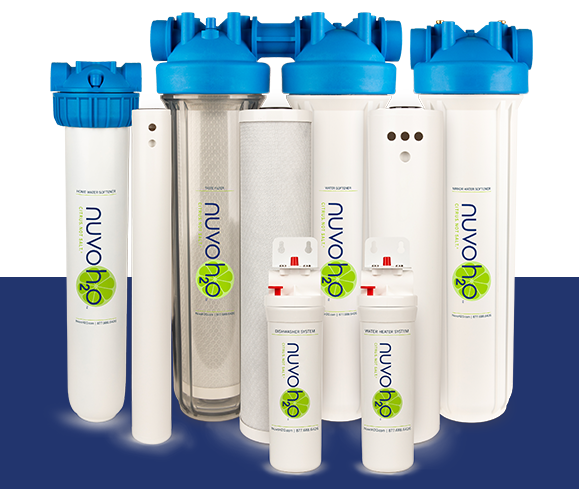
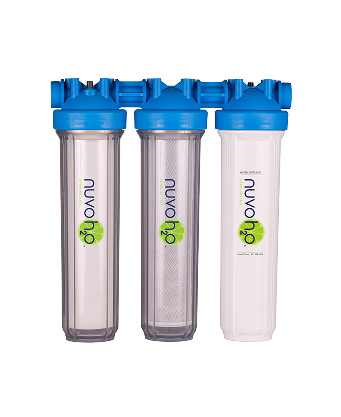
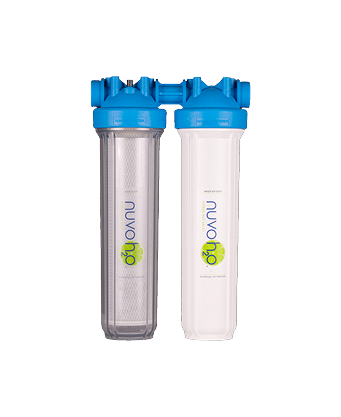
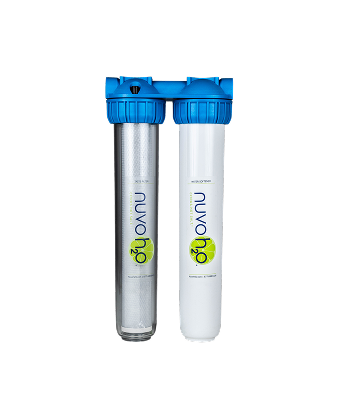
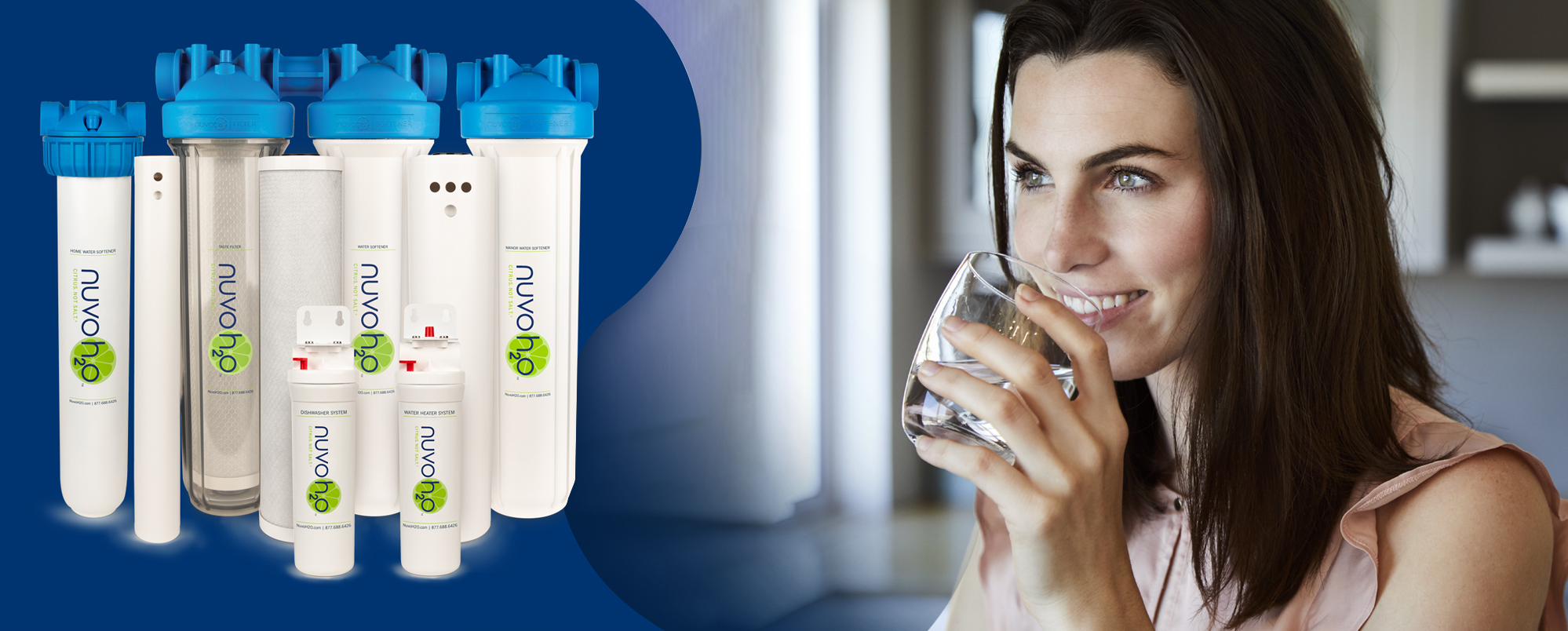
A specialized iron filter removes the iron causing stains, odors, and taste issues. A water softening+scale prevention system like the ones at NuvoH2O helps control mineral buildup throughout your plumbing without adding salt or chemicals.
Together, they:
- Address iron directly (what softeners can’t do)
- Prevent scale damage to pipes and appliances
- Improve water clarity, taste, and usability
- Protect fixtures, laundry, and surfaces long-term
This approach treats the water before it becomes a problem rather than reacting to stains after the fact.
Treating Iron in Water at the Source Beats Bottled Water Every Time
If you’re battling rust stains, metallic taste, or recurring buildup, bottled water isn’t better; it’s just easier in the moment. Real relief comes from understanding what’s in your water and choosing systems designed to handle iron in water removal and mineral scale properly.
Once iron is filtered out and scale is controlled, the difference is immediate, and it extends to every faucet, fixture, and appliance in your home. When water problems stop showing up everywhere, bottled water suddenly doesn’t seem necessary at all.