How Chlorine & Chloramine Impact Lead and Copper
11th Mar 2026
Key Takeaways
- Chlorine and Chloramine are oxidizers that strip the protective scale inside copper pipes, leading to corrosion.
- Pinhole leaks are often caused by the chemical interaction between disinfectants and copper, specifically in areas with low alkalinity.
- Chloramine is particularly destructive to rubber components, causing toilet flappers, gaskets, and appliance seals to degrade prematurely.
- Financial Protection: The cost of a whole-home repipe can range from $5,000 to over $15,000; a specialized filtration system costs a fraction of that.
- Equipment Longevity: Removing these chemicals is the most effective way of extending the life of your water heater and dishwasher.
We often think of water filtration as a health choice or a culinary preference. We want our coffee to taste better, our skin to feel softer, and our families to be safe from chemicals. But there is another, much more expensive reason to filter your water: Plumbing.
While municipal disinfectants do a great job of killing bacteria, studies from the Water Research Foundation show they are notoriously aggressive toward the very infrastructure they travel through. If you have copper pipes, rubber-sealed appliances, or a high-end water heater, the "safe" water provided by your city may be slowly eating away at your home's equity.
The Chemistry of Decay: Chlorine Corrosion in Copper Pipes
Copper has been the gold standard for plumbing for decades because it is durable and naturally antimicrobial. However, it relies on a thin layer of "scale" or oxidation to protect the metal from the water flowing through it.
Chlorine corrosion in copper pipes occurs when high levels of free chlorine act as a catalyst for galvanic corrosion. According to a study published in PubMed, free chlorine can actually reverse the electrochemical relationship between lead solder and copper, leading to 100 times more lead contamination in certain water conditions. When the disinfectant strips the protective inner coating, the copper becomes "active," and the thinning of the pipe walls begins.
Chloramine: The "Sticky" Chemical Destroying Your Rubber Seals
If you’ve noticed black specks in your water or found that your toilet flappers are turning into a "mushy" black substance, you are witnessing chloramine rubber degradation.
Unlike chlorine, which gasses off relatively quickly, chloramine (a bond of chlorine and ammonia) is incredibly stable and persistent. It is highly aggressive toward elastomers, the technical term for rubber and plastic seals.
This chemical literally "eats" the elasticity out of:
- Toilet flappers and fill valves.
- Dishwasher door gaskets.
- Washing machine hoses.
- O-rings in high-end faucets.
Replacing these individual parts is a nuisance, but the water damage caused when a degraded seal finally fails is a catastrophe.
The Cost of a Pinhole Leak
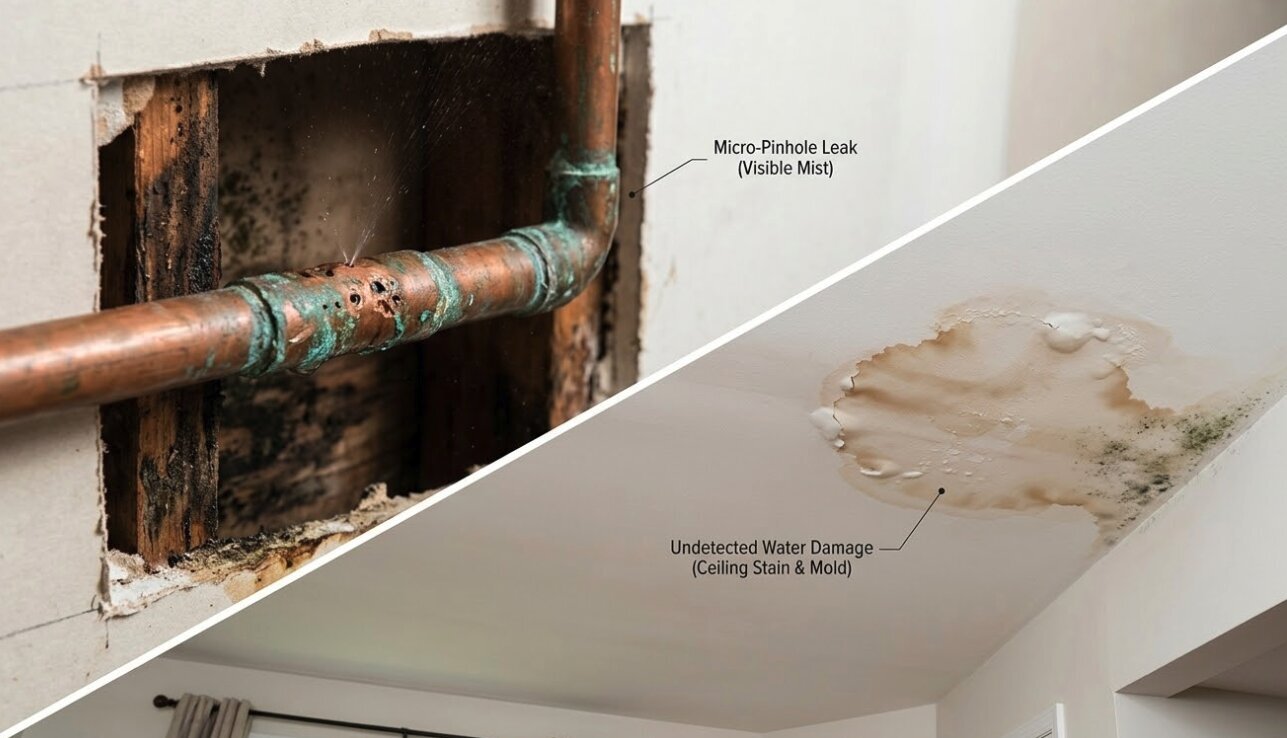
One of the most frustrating pinhole leaks in plumbing causes is the localized pitting caused by chloramine and low-alkalinity water. Because these leaks often start as a tiny "mist" behind a wall, they can go undetected for months.
By the time you see a brown spot on your ceiling or smell mold, the damage has already been done. Assurity Consulting notes that chemical treatment changes in municipal systems are a primary driver for these physical pipe failures.
Extending the Life of Your Water Heater and Appliances
Your water heater is likely the most expensive appliance in your plumbing system. Chlorine and chloramine accelerate the depletion of the "anode rod", the sacrificial piece of metal inside your tank designed to protect it from rust.
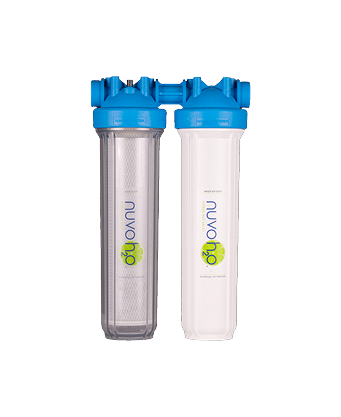
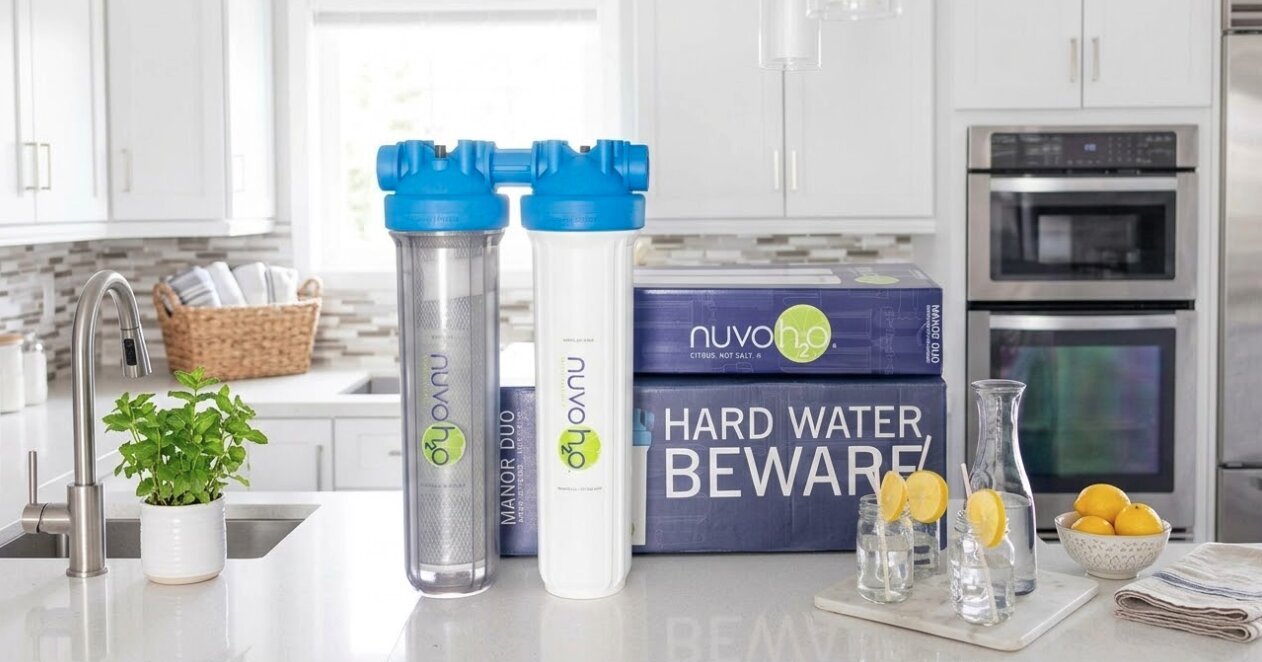
Once that rod is gone, the chemicals go to work on the tank itself. By installing a whole house system like the Manor Duo, you stop the oxidative stress before it enters the tank. This is a primary strategy for extending the life of your water heater by several years, potentially saving you $2,000+ in premature replacement costs.
ROI Analysis: Filtration vs. Repiping
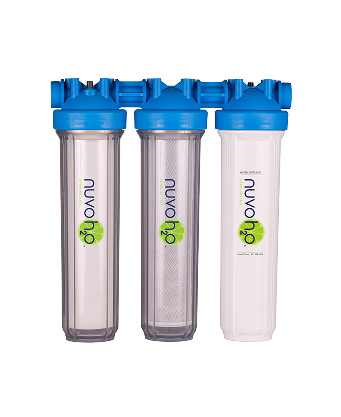
When customers look at the price of a high-end system like the Manor Trio, they sometimes see it as a "luxury." But when you frame it as plumbing insurance, the math changes completely.
|
Expense Type |
Estimated Cost |
Frequency |
|
Whole Home Repipe |
$5,000 – $15,000+ |
Once every 20-30 years |
|
Water Heater Replacement |
$1,500 – $3,000 |
Every 8–10 years (w/o filter) |
|
Appliance/Seal Repairs |
$200 – $600 |
Every 2–4 years |
|
NuvoH2O System |
**$1,500 - $2,500** |
Once (Life of Home)/Affordable cartridge replacement |
When you remove the primary cause of corrosion, you are effectively pushing your "repipe date" decades into the future. For many homeowners, the system pays for itself the moment it prevents a single pinhole leak.
Protecting Your Home’s Greatest Asset
Understanding how chlorine and chloramine impact lead and copper is the final piece of the puzzle for a responsible homeowner. You shouldn't have to choose between biologically safe water and the structural integrity of your plumbing.
Invest in the "insurance" that keeps your water clean and your plumbing intact. We can help you determine the exact NuvoH2O system you need based on your home's square footage and current water conditions via our systems quiz.