The Water Times
Helpful insights on soft water, home systems, and what’s coming through your tap.
From product comparisons to water quality tips, explore expert-written content designed to help you get clean, healthy water, save money, and help the environment along the way!
Featured Posts


Recent Posts




Read All Blogs
We’ve got plenty more where that came from. If you’re the kind of person who likes to dig in and figure things out before making a decision, we get it. From quick tips to comprehensive guides, we have everything to help you understand our systems, your water, and what you can do to improve it.

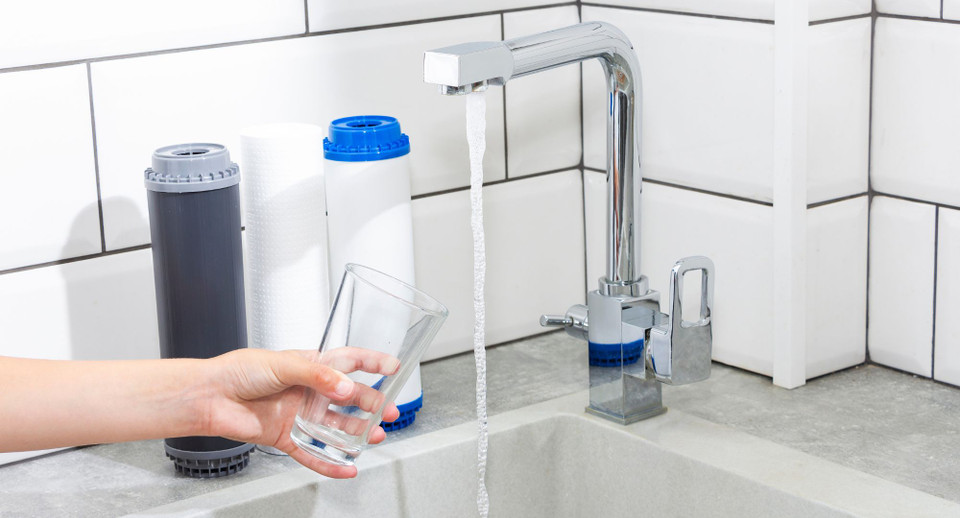
The Truth of What’s Really in Your Tap Water. A City-by-City Look.
You turn on your faucet, fill a glass, and assume it’s clean.
And technically it is.
But depending on where you live, what’s in your water can vary a lot.
From mineral-heavy water in the Southwest to disinfectant byproducts in major metros, your city’s water has a unique profile that impacts ev… Read more
When homeowners think about "home maintenance," they usually picture roof shingles, overgrown gutters, or aging water heaters. But there is a silent, microscopic threat flowing through your walls that costs American homeowners thousands of dollars in premature replacements every year: Hard Water.
While a crusty showerhead is an annoyance, hard water minerals in your HVAC and humidification systems are a financial catastrophe waiting to happen. If… Read more

15th Apr 2026
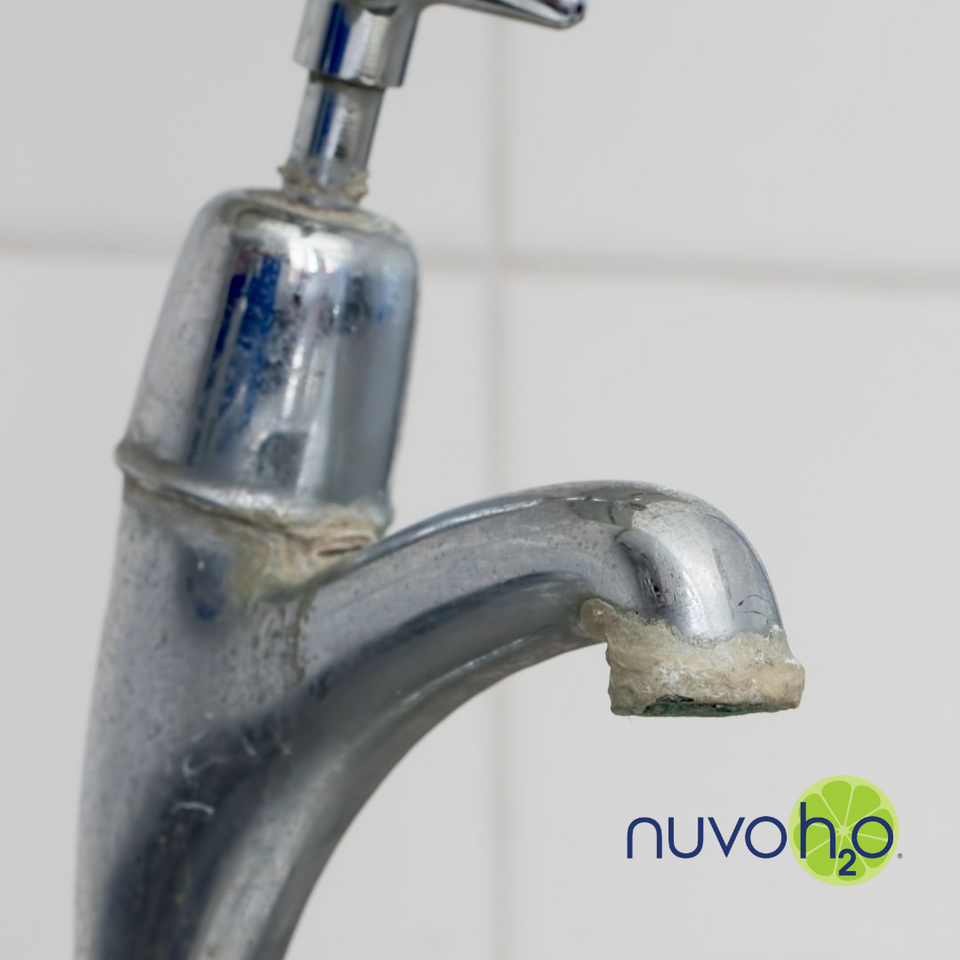
You step into the shower expecting a high-pressure wake-up call, but instead, you’re greeted by a pathetic, redirected drizzle. You look up and see it: that stubborn, chalky white crust clogging the nozzles of your showerhead.
If your fixtures look like they’re growing prehistoric stalactites, you aren’t alone. Roughly 85% of homes in the United States deal with hard water. While it might seem like a minor cleaning annoyance, th… Read more

Key Takeaways
The "Forgotten Nutrient": Drinking water is a primary factor in gut microbiota variation, yet it is often overlooked compared to diet.
The Diversity Link: Different water sources (tap, well, or filtered) are associated with distinct changes in the trillions of bacteria living in your gut.
Chlorine’s Hidden Cost: While municipal disinfectants kill waterborne pathogens, they can also act as low-level stressors for your "good" g… Read more