Hard Water & Eczema: Why Soft Water Soothes Sensitive Skin
9th Jan 2026
If you live with eczema, you probably know the feeling all too well: You step out of the shower expecting relief, only to feel tight, itchy, or inflamed skin minutes later. You switch soaps. You try fragrance-free everything. You moisturize religiously. And yet, the flare-ups keep coming.
For many people, the missing piece isn’t another cream or prescription, but the water itself.
The connection between hard water and eczema is often overlooked, but growing research and real-world experience suggest water quality plays a much bigger role in skin health than most people realize. If you’ve noticed eczema flare-ups after showering, your tap water may be working against you.
Let’s break down what’s really happening and why switching to soft water can make a meaningful difference for sensitive skin.
Does Switching to Soft Water Help Eczema?
For many people, yes, switching to soft water helps eczema symptoms feel more manageable.
Hard water contains high levels of calcium and magnesium. These minerals aren’t dangerous to drink, but when they hit your skin, they can interfere with how soap cleans, how well your skin retains moisture, and how strong your skin barrier remains.
Soft water removes those hard minerals. The result is water that rinses cleaner, feels gentler, and is far less likely to leave behind residue that irritates already-compromised skin.
People who switch from hard water to soft water often report:
- Less tightness and itching after showers
- Fewer eczema flare-ups after bathing
- Skin that feels calmer and easier to moisturize
- Reduced redness and irritation over time
While soft water isn’t a cure for eczema, it can remove a daily trigger that quietly worsens symptoms.
Can Hard Water Cause Skin Rashes?
Hard water doesn’t directly cause eczema, but it can cause skin rashes and significantly worsen existing conditions.
This is often referred to as hard water dermatitis. Symptoms may include:
- Red, itchy patches
- Dry, scaly skin
- Stinging or burning after washing
- Rashes that appear after showering or bathing
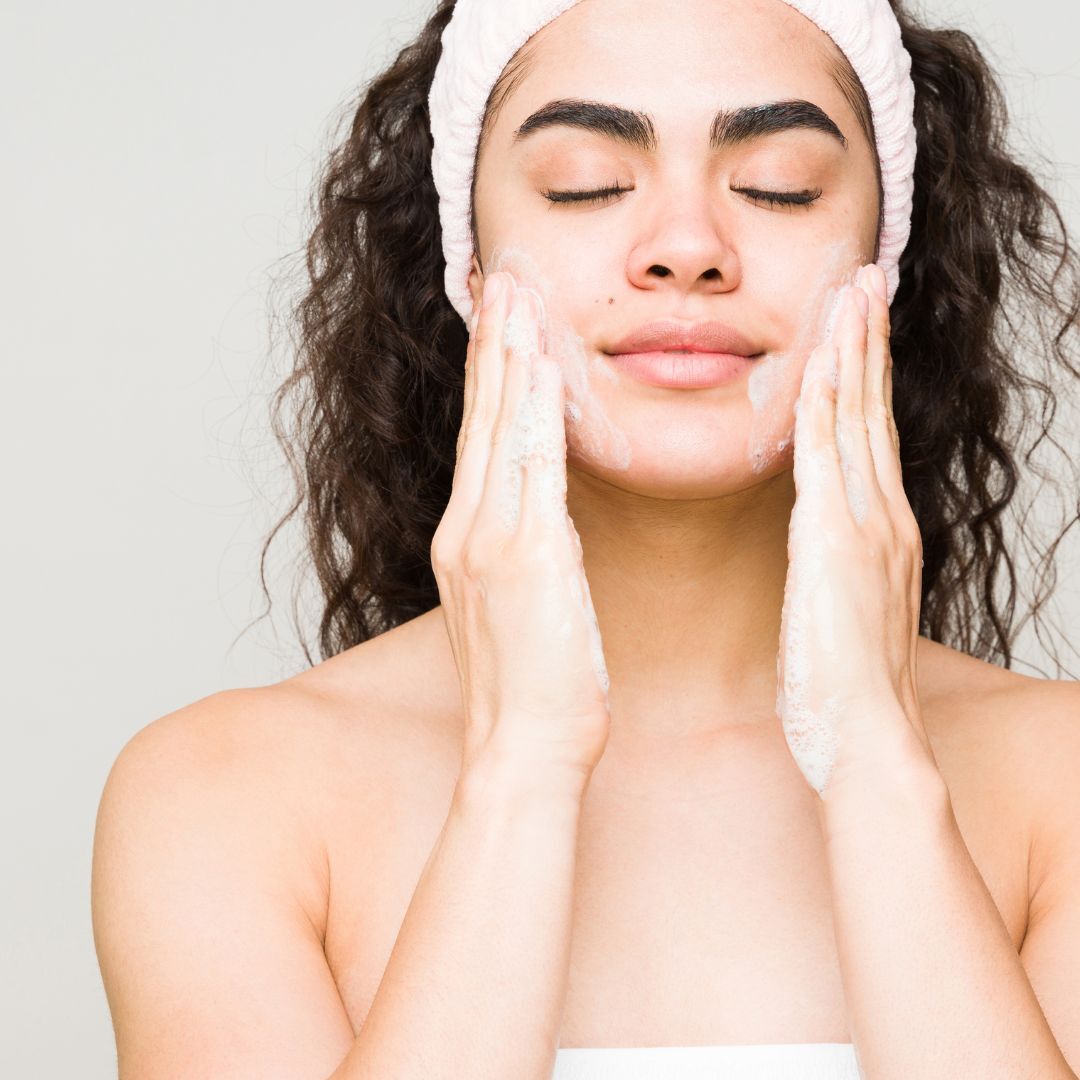
One of the biggest culprits is soap scum skin irritation. When soap reacts with hard water minerals, it forms a sticky film that clings to your skin. This residue:
- Blocks moisture
- Traps irritants and bacteria
- Makes skin feel unclean even after washing
For someone with sensitive skin or eczema, that lingering residue can be enough to trigger inflammation.
What Minerals in Water Irritate Skin?
The main minerals linked to skin irritation are calcium and magnesium, the same minerals responsible for water hardness.
Here’s how they affect eczema-prone skin:
Calcium
- Disrupts the skin’s natural barrier
- Makes soaps harder to rinse away
- Increases dryness and tightness
Magnesium
- Contributes to residue buildup on skin
- Can interfere with the effectiveness of cleansers
- Leaves skin feeling coated rather than clean
Together, these minerals create an environment where the skin barrier struggles to protect itself. Over time, this makes skin more vulnerable to allergens, irritants, and moisture loss, key factors in eczema flare-ups.
So while minerals in water don’t cause eczema, they absolutely can make symptoms worse.
Hard Water, Sensitive Skin, and the Shower Problem
One of the most common complaints among eczema sufferers is that symptoms worsen after bathing. That’s not a coincidence.
With hard water and sensitive skin, showers often become a perfect storm:
- Hot water strips natural oils
- Hard minerals leave residue behind
- Soap requires more scrubbing to feel “clean”
- Skin barrier damage compounds with every wash
This is why eczema flare-ups after showers are so common in hard water areas. Your skin is being stressed repeatedly by something you use every day.
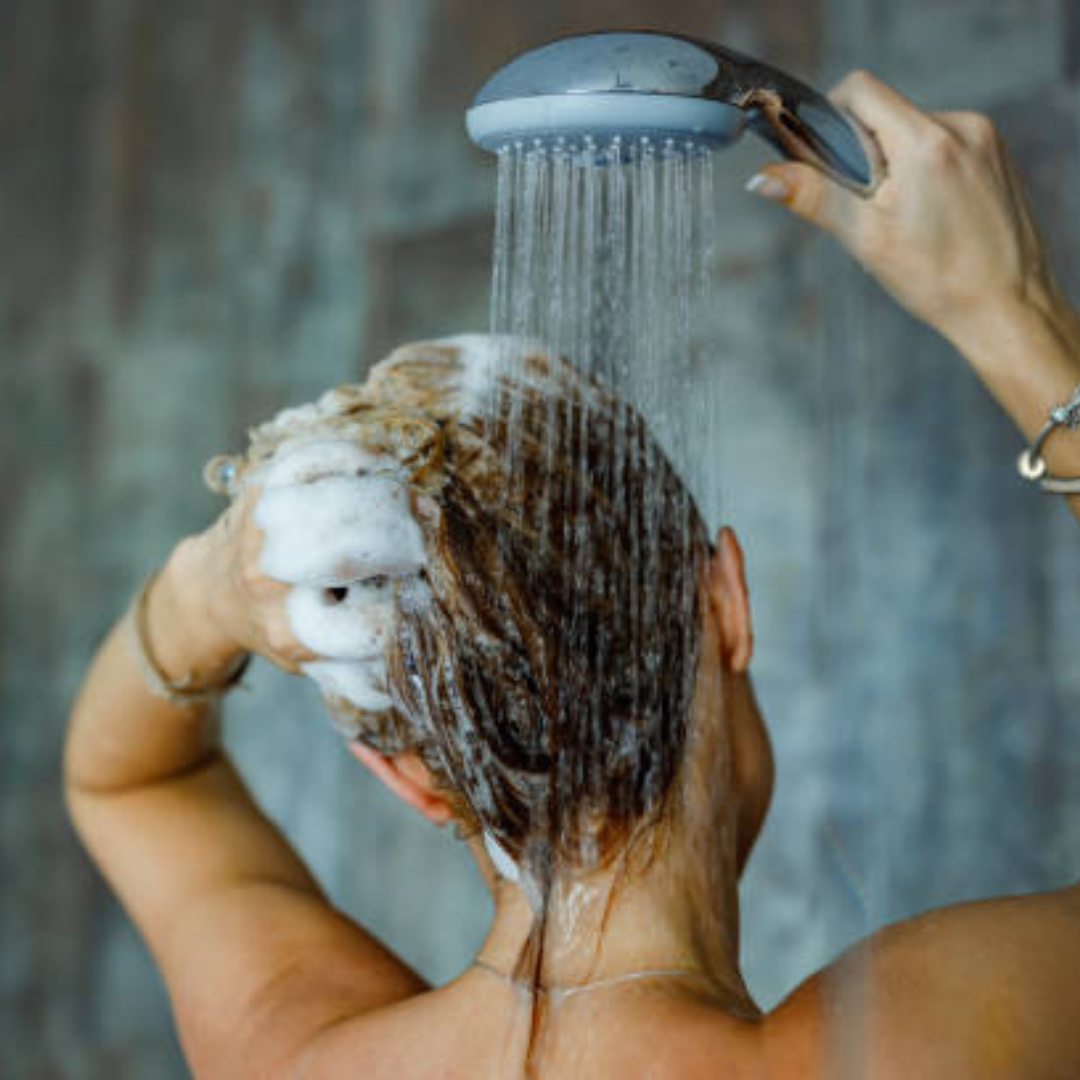
How Soft Water Helps Eczema-prone Skin
Switching to soft water removes hardness minerals before they reach your skin. That small change can have a surprisingly big impact.
Softer water rinses clean
Without calcium and magnesium reacting with soap, cleansers rinse away fully. No film. No residue. No lingering irritants.
Better moisture retention
Soft water allows your skin to hold onto its natural oils instead of stripping them away. That means less dryness and less itching.
Gentler cleansing
Soaps lather more easily in soft water, reducing the need for aggressive scrubbing, something eczema-prone skin really doesn’t tolerate well.
Improved effectiveness of skincare products
When mineral residue isn’t blocking absorption, moisturizers and treatments can actually do their job.
This is why many people searching for soft water eczema relief describe their skin as feeling calmer, smoother, and easier to manage within weeks of switching.
What is the Best Water for Sensitive Skin?
The best water for sensitive or eczema-prone skin is:
- Low in calcium and magnesium
- Free from soap-scum–forming minerals
- Gentle enough to support the skin barrier
In most homes, that means softened water, ideally paired with good bathing habits:
- Lukewarm showers instead of hot
- Gentle, fragrance-free cleansers
- Moisturizing immediately after bathing
For people who live in hard water areas and struggle with chronic irritation, a water softener for eczema can be a foundational change, not a last resort.
Is a Water Softener Worth Considering for Eczema?
A whole-home water softener may be worth considering if:
- You have confirmed hard water
- Your skin feels worse after showering
- You experience frequent eczema flare-ups
- Skincare changes alone haven’t helped
Because water affects every shower, bath, and handwash, a water softener can reduce daily irritation at the source rather than constantly trying to repair damage afterward.

Water Matters More Than You Think
Eczema management often focuses on what you put on your skin. But for many people, what’s coming out of the tap plays an equally important role.
If you’ve been asking:
- Does hard water affect eczema?
- Why does my skin itch after showering?
- How can I reduce flare-ups without more products?
The answer may start with water quality.
Soft water won’t replace medical care, but by removing a consistent, invisible trigger, it can help create a calmer environment for sensitive skin to heal, hydrate, and breathe.
Sometimes, relief isn’t about doing more. It’s about removing what’s been quietly working against you every single day.