Frozen Pipes: How to Thaw Safely & Prevention Checklist
2nd Jan 2026
Few winter home emergencies feel as stressful( or happen as fast) as frozen pipes. One minute, the water pressure drops to a trickle, and the next you’re worrying about burst pipes, flooded floors, and costly repairs. The good news is that if you act quickly and carefully, you can often thaw frozen pipes safely and prevent serious damage.
This guide walks you through how to unfreeze pipes, what not to do, and a simple frozen pipe prevention checklist to help you avoid the problem next time.
Why Frozen Pipes Are So Dangerous
When water freezes, it expands. Inside a pipe, that expansion creates intense pressure, often far beyond what the pipe can handle. The pipe usually doesn’t burst exactly where the ice forms. Instead, it breaks at a weak point nearby, and once the ice melts, water rushes out fast.
That’s why frozen pipes so often lead to burst pipes, soaked drywall, damaged floors, and expensive emergency plumbing calls.
At What Temperature Do Pipes Freeze?
One of the most common questions homeowners ask is: “At what temperature do pipes freeze?”
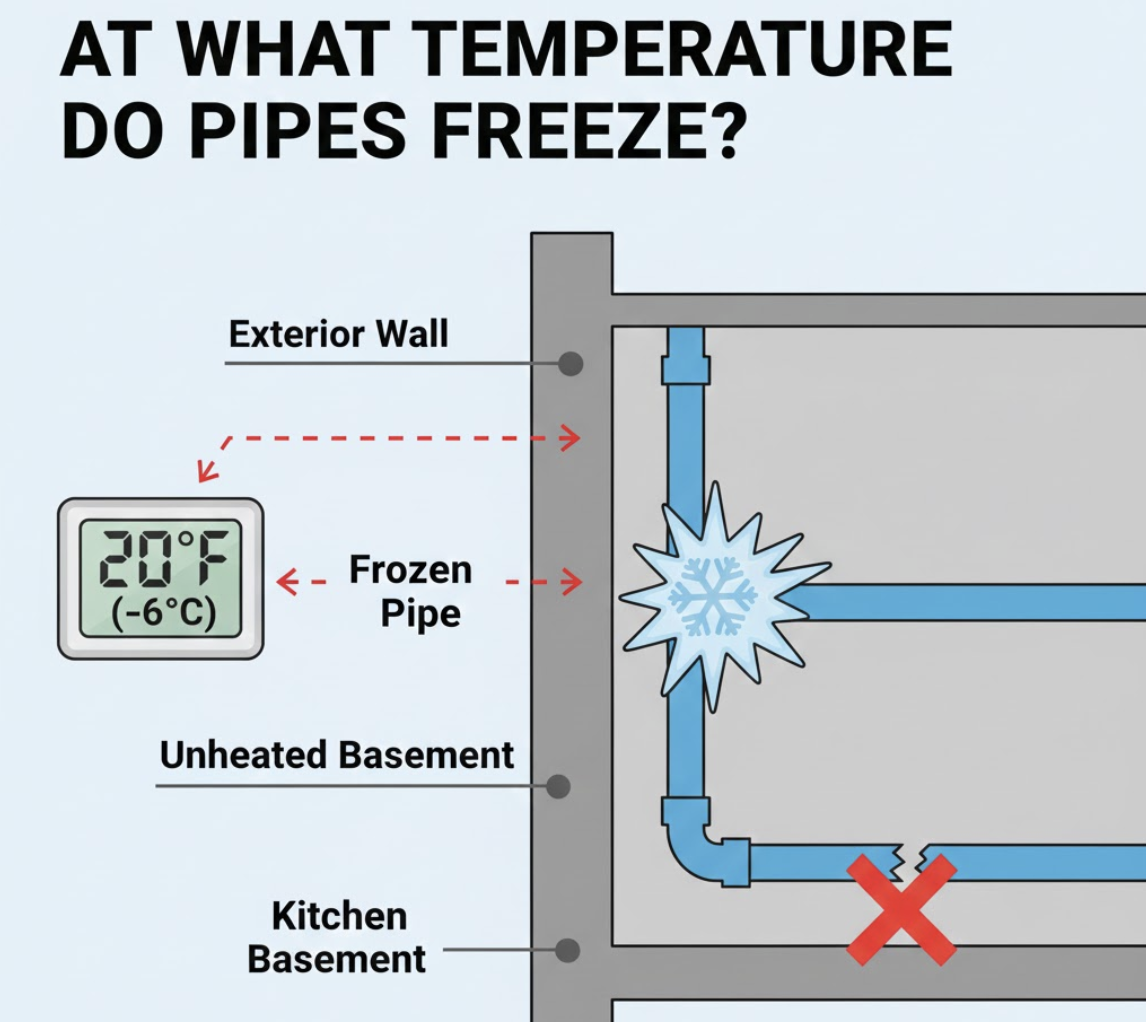
Most pipes are at risk when outdoor temperatures drop to 20°F or below for several hours. However, pipes can freeze even when it’s just below 32°F if they’re located in:
- Exterior walls
- Unheated basements or crawl spaces
- Attics or garages
- Cabinets under sinks near outside walls
Cold air exposure and duration matter just as much as the temperature itself.
Signs You Have Frozen Pipes
Before you start thawing, confirm the issue. Common warning signs include:
- No water or only a slow trickle from a faucet
- Frost or condensation on exposed pipes
- Bulging sections of pipe
- Toilets that won’t refill
- Gurgling or strange sounds when you turn on taps
If one pipe is frozen, others nearby may be at risk too.
What Is the Best Way to Thaw Frozen Pipes?
If you can access the pipe, the safest method uses slow, controlled heat.
Step-by-Step: How to Thaw Frozen Pipes Safely
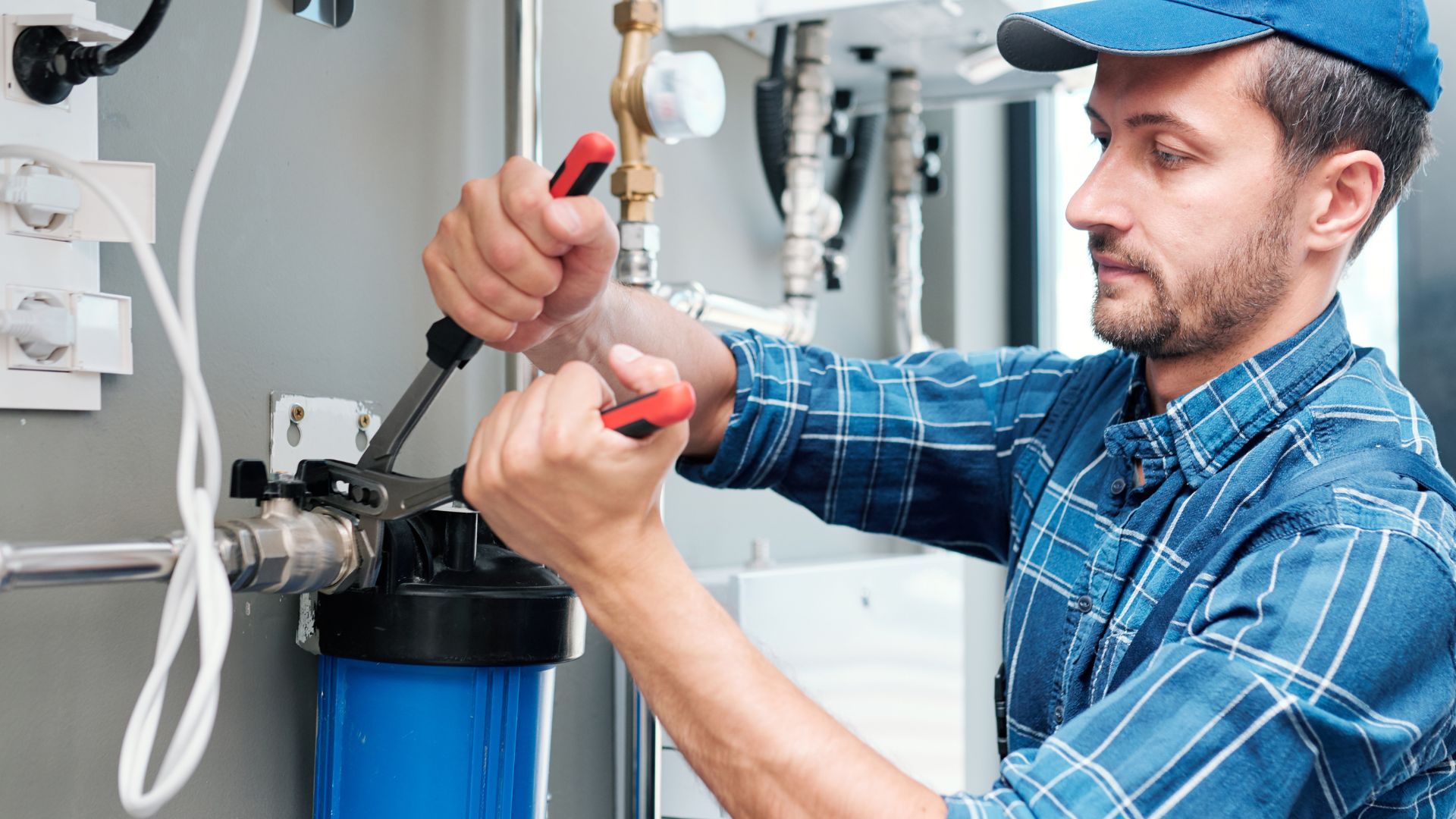
- Turn on the faucet: Open the affected faucet (hot and cold if possible). This relieves pressure and allows melting water to escape safely.
- Locate the frozen section: Look for frost, bulging, or pipes that feel colder than others.
- Apply gentle heat: Start warming the pipe closest to the faucet and move toward the frozen area.
Safe ways to thaw pipes:
- Unfreeze the water pipe with a hairdryer (most common and effective)
- Warm towels wrapped around the pipe
- A space heater warming the room (never unattended)
Always keep electrical devices away from standing water.
How to Thaw a Pipe in a Wall
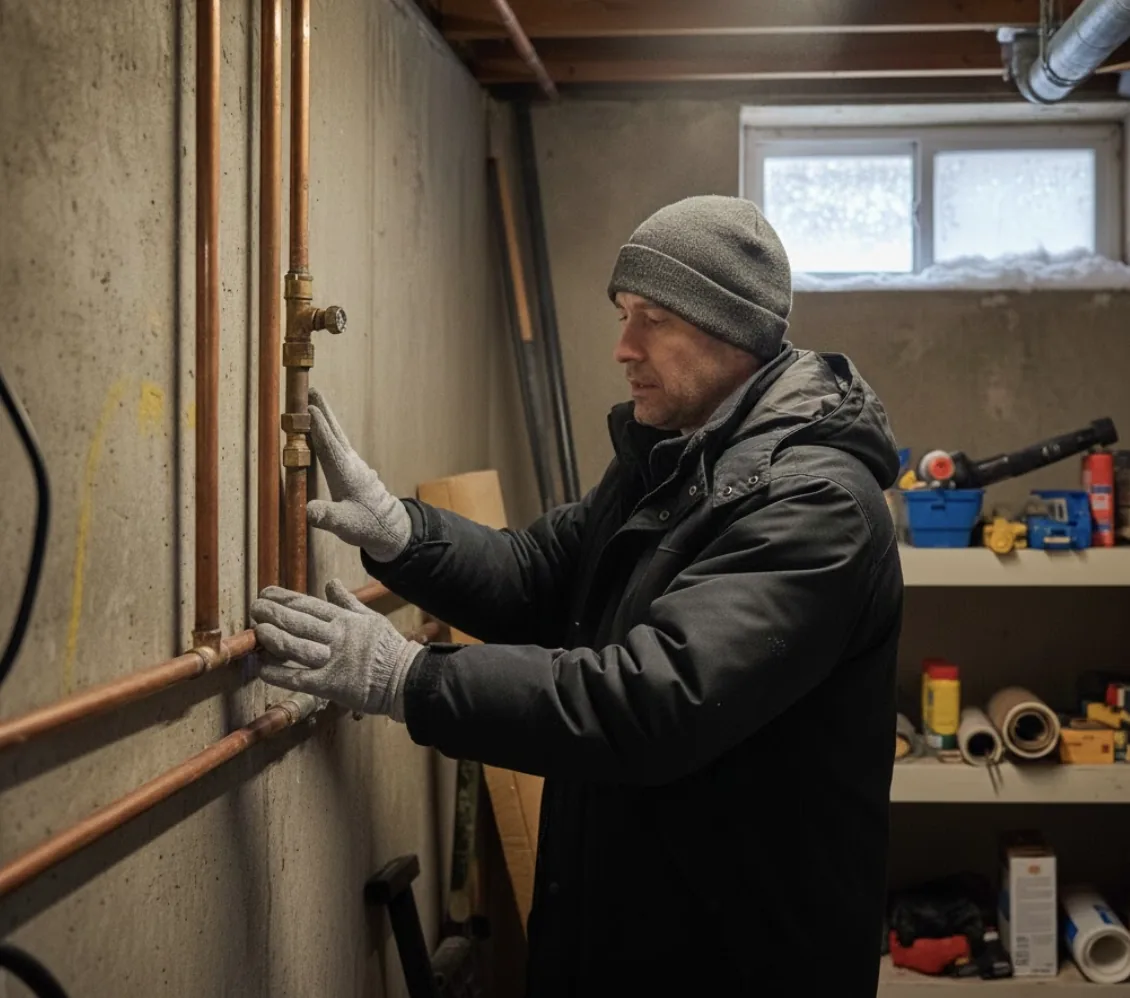
If you suspect a frozen pipe behind drywall:
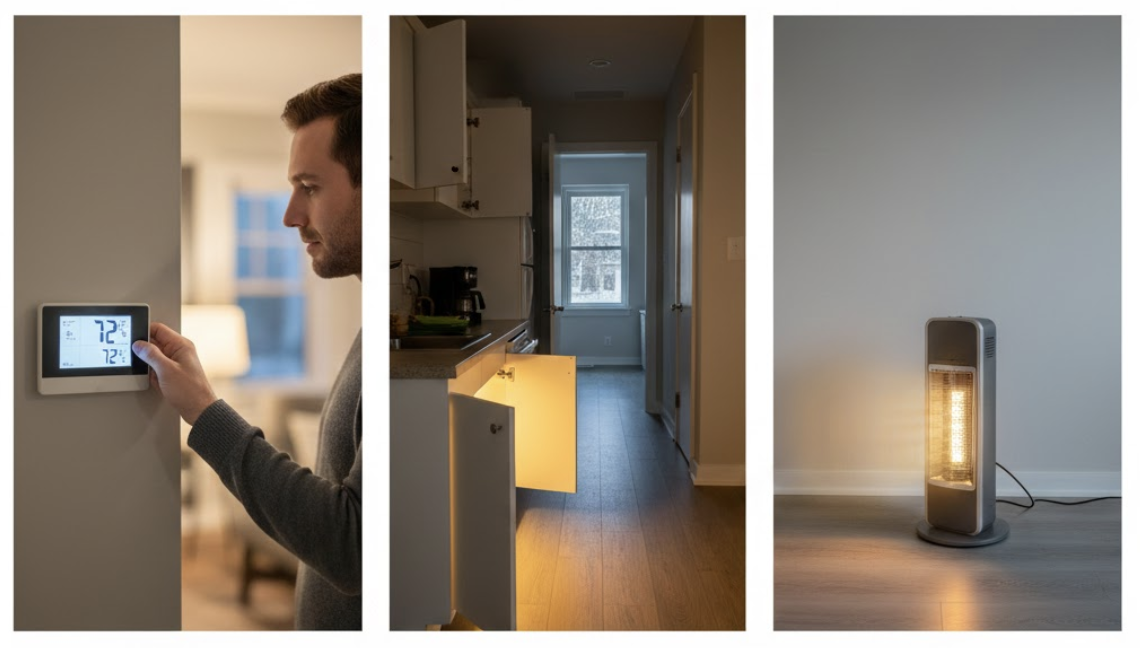
- Turn up your home’s thermostat
- Open cabinet doors and interior doors
- Use a space heater to warm the room, not the wall directly
Do not cut into walls unless absolutely necessary. If water doesn’t return after several hours, call a professional.
What NOT to Do When Thawing Frozen Pipes
This is where many homeowners make costly mistakes.
Can I use a heat gun on frozen pipes?
No. Heat guns produce extreme, uneven heat that can damage pipes, melt plastic lines, or weaken joints.
NEVER do the following:
- Use a blowtorch, propane heater, or open flame
- Apply extreme heat to PVC or PEX
- Leave heaters unattended
- Keep faucets closed while heating
These mistakes greatly increase the risk of fire or sudden pipe rupture.
How Long Does It Take for Pipes to Unfreeze?
The time varies based on temperature, insulation, and pipe location. Most accessible frozen pipes thaw within 30 minutes to a few hours using safe methods. Pipes in walls or attics may take longer as the surrounding space warms.
What to Do If a Pipe Bursts
If you discover a burst pipe, act immediately:
- Shut off the main water supply: Knowing your main water shutoff location ahead of time is critical.
- Open faucets: This drains remaining water and reduces pressure.
- Turn off the electricity in affected areas if water is present.
- Call a licensed plumber: Even small cracks can cause major hidden damage.
Frozen Pipe Prevention Checklist
Preventing frozen pipes is far easier (and cheaper) than repairing them.
How to Keep Pipes From Freezing Indoors
- Keep thermostat at 55°F or higher, even at night
- Open cabinet doors under sinks on exterior walls
- Let faucets drip during extreme cold
- Keep interior doors open for warm air circulation
Should I let my water drip to prevent freezing?
Yes. A slow drip keeps water moving and relieves pressure inside pipes.
Outdoor & Unheated Area Protection
- Disconnect and drain garden hoses
- Cover outdoor spigots with insulated covers
- Insulate exposed pipes in garages, crawl spaces, and attics
- Seal air leaks around doors, windows, and foundations
Winter Plumbing Preparation Matters
We at NuvoH2O believe that smart homeowners deserve clear, practical guidance, especially during high-stress winter situations. Understanding how to unfreeze pipes, prevent frozen pipes, and respond quickly can make all the difference when temperatures drop.
Frozen pipes don’t just cause inconvenience, but they can lead to thousands of dollars in damage within hours. Staying proactive protects your home, your plumbing, and your peace of mind.