Disinfection Byproducts (DBPs): When Chlorine Reacts with Your Pipes
19th Mar 2026
Key Takeaways
- DBPs are unintended chemical compounds formed when chlorine reacts with organic matter in water.
- Trihalomethanes (THMs) and Haloacetic Acids (HAAs) are the two primary groups of DBPs regulated by the EPA due to their link to cancer and organ damage.
- Water Age Matters: The longer water sits in city pipes or your home’s plumbing, the more time DBPs have to form and concentrate.
- Standard Softening Fails: Traditional water softeners remove minerals but do absolutely nothing to filter out toxic chemical byproducts.
- NSF/ANSI 53: This is the specific certification you should look for to ensure a filter is rated to reduce harmful volatile organic chemicals.
Most of us have been taught that the smell of chlorine in our water is the "smell of safety." We assume that if we can smell the disinfectant, the water is clean. But modern toxicology tells a different story.
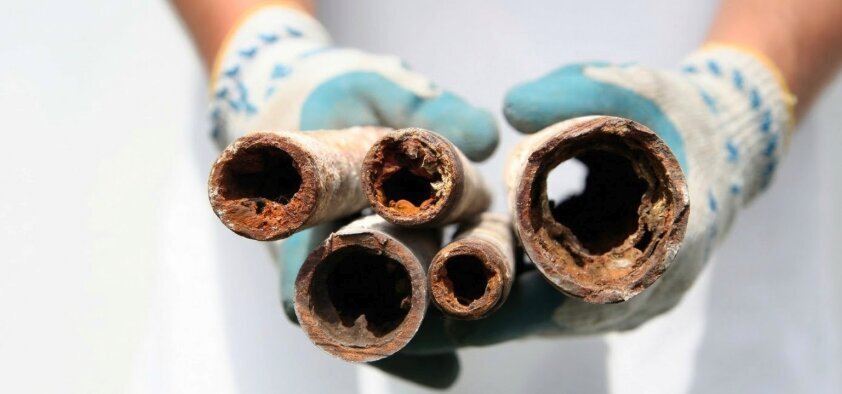
When chlorine leaves the treatment plant, it doesn't just sit idly in the water. It is a highly reactive chemical. As it travels through miles of municipal pipes, it encounters "Total Organic Carbon" (TOC), microscopic bits of decaying leaves, algae, and organic matter. When chlorine hits these organics, a chemical reaction occurs, creating disinfection byproducts in drinking water.
Unfortunately, these DBPs don’t just make your water taste like a pool, but they are often more dangerous than the chlorine itself.
The Chemistry of the "Hidden" Threat
Municipalities are caught in a difficult balancing act. According to the EPA’s Disinfectant and DBP Rules, cities must add enough chlorine to kill pathogens like E. coli, but not so much that DBP levels exceed safety limits.
The problem is that once the water enters the distribution system, the city loses control. If your home is at the end of a long water line, or if the water is warm, the reaction kinetics speed up. By the time the water reaches your tap, it may have transitioned from "disinfected" to "contaminated" by the very process intended to clean it.
Trihalomethanes (THMs): The Invisible Carcinogen
When people ask, "what are trihalomethanes (THMs)?" they are usually surprised to learn they are a family of chemicals (including chloroform) that are known carcinogenic water byproducts.
The EPA has set a Maximum Contaminant Level (MCL) of 0.080 mg/L for TTHMs. However, an IARC publication points out that long-term exposure to these compounds, even at low levels, may be associated with an increased risk of bladder cancer and potential reproductive issues, though not conclusive.
Haloacetic Acids (HAAs) and Your Long-Term Health
While THMs get most of the headlines, haloacetic acids health effects are equally concerning. HAAs form more readily in slightly acidic water. Long-term ingestion of water exceeding the 0.060 mg/L limit can lead to:
- Liver and kidney complications.
- Nervous system issues.
- Increased risk of skin and internal cancers.
Because these chemicals are colorless and odorless, you cannot rely on your senses to detect them. You are essentially drinking the "exhaust" of the disinfection process.
Why Your Softener May Not Be Enough
Many homeowners invest in a water softener thinking they’ve solved their water problems. This is a dangerous misconception.
A water softener is designed for mechanical protection: it removes calcium and magnesium to prevent scale buildup in your water heater. It does not have the chemical capacity to attract or neutralize complex carbon-based molecules like THMs or HAAs.
If you are concerned about chloramine and sediment or toxic byproducts, you need a system that bridges the gap between basic softening and toxicological filtration.

The Solution: Advanced Toxicological Filtration
To remove these "sticky" chemicals, you need high-density activated carbon with a significant amount of contact time.
The Gold Standard: NSF/ANSI 53 Certification
When shopping for a system, look for NSF/ANSI 53 certification. Unlike Standard 42 (which only covers taste and odor), Standard 53 proves the filter is capable of reducing contaminants with documented health effects, including VOCs and DBPs.
NuvoH2O Whole-Home Protection
At Nuvo, we treat the chemistry of the water in addition to giving you nice, soft water.
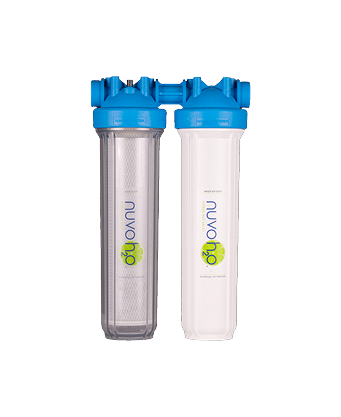
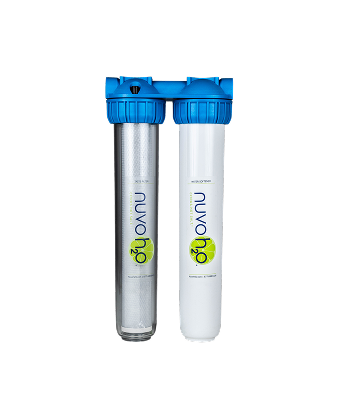
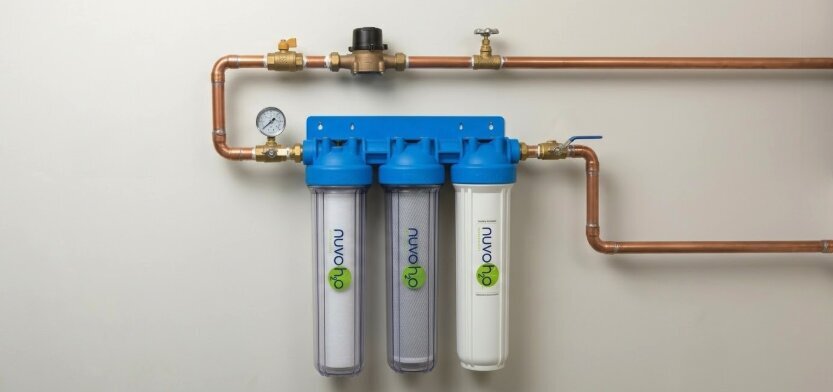
- The Manor Duo: Combines our eco-friendly salt-free softening with a high-capacity carbon filter to strip away the chlorine and DBPs before they reach your glass or your skin.
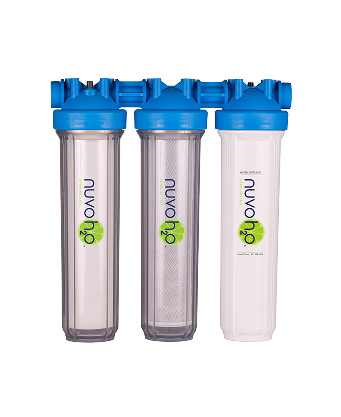
- For Complex Water: If your water also has high mineral content or iron issues, the Manor Trio system offers a third stage of protection. This is vital if you're dealing with chloramine and iron, which can further complicate DBP formation.
Make Sure Your Water Is More Than Just “Safe Enough”
Disinfection byproducts are the unintended price we pay for a germ-free municipal water supply. While your city’s primary mission is to deliver water that is "biologically safe" (meaning it won't give you a sudden illness)it is up to you to ensure the water in your home is toxicologically pure.
Don't settle for "legal" limits when you can have absolute clarity. When you prioritize advanced filtration, you aren't just buying a filter; you’re buying peace of mind for every glass of water, every bath, and every meal you prepare for your family.